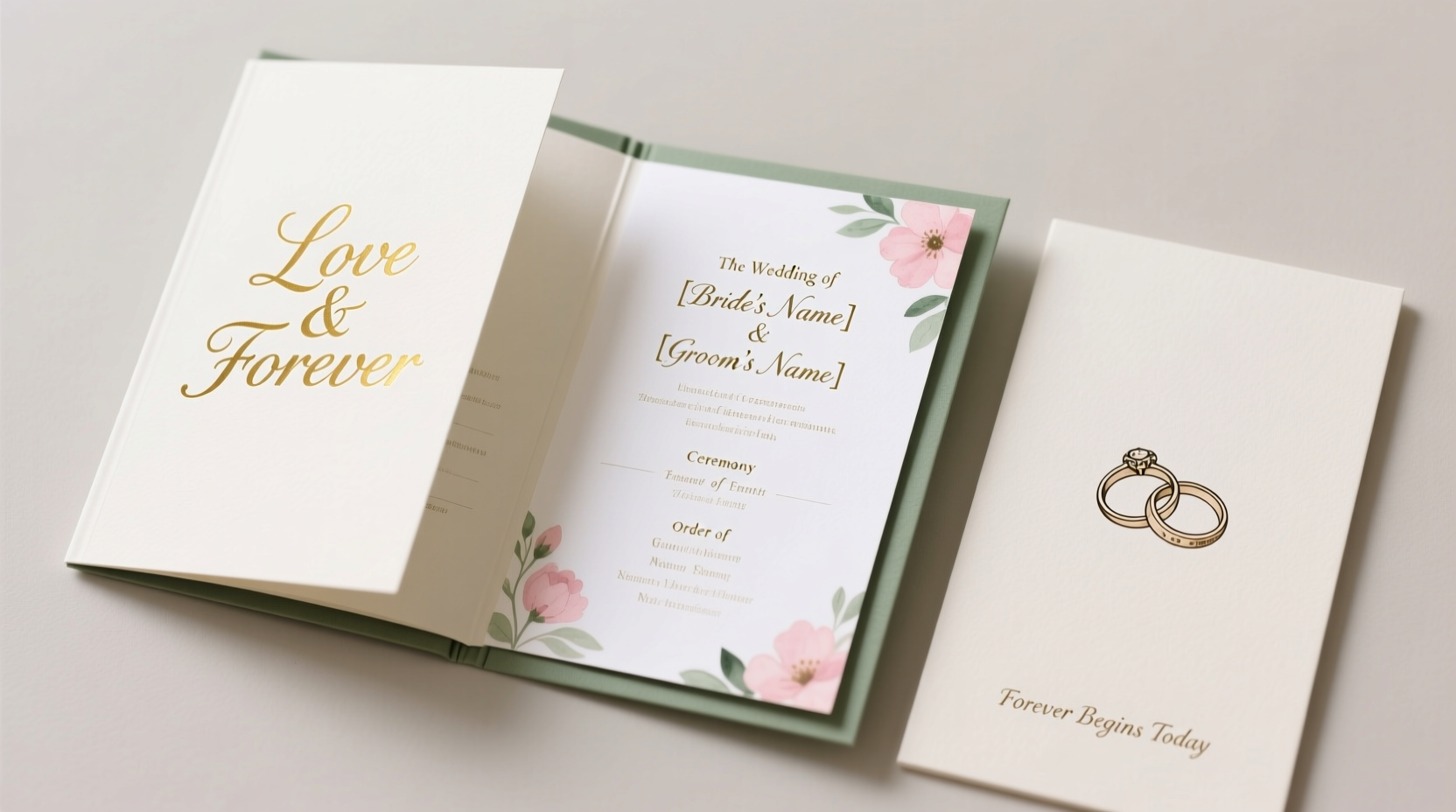
Creating your own do it yourself wedding programs is a meaningful and budget-friendly way to personalize your ceremony while guiding guests through the big day. A well-designed DIY wedding program not only informs attendees about the order of events but also reflects the couple’s unique style and love story. Whether you’re planning a rustic backyard wedding or an elegant ballroom affair, crafting your own programs allows full creative control over layout, wording, paper choice, and decorative elements—all while saving money compared to hiring a designer.
Why Choose DIY Wedding Programs?
Many couples opt for do-it-yourself wedding programs because they offer flexibility, affordability, and sentimental value. Unlike generic templates from vendors, handmade programs can include personal touches such as handwritten notes, custom illustrations, or even pressed flowers from your engagement bouquet. They also allow you to tailor the content precisely to your ceremony—especially important if you're incorporating non-traditional elements like unity rituals, cultural traditions, or readings by loved ones.
Beyond aesthetics, DIY programs serve a functional role. Guests appreciate having a clear outline of what to expect during the ceremony, especially when music selections, speaker names, or religious customs are involved. By designing them yourself, you ensure accuracy and relevance, avoiding last-minute confusion.
Essential Elements of a Wedding Program
A successful DIY wedding program includes several key components that inform and engage guests. While designs vary, most effective programs contain these core sections:
- Cover Page: Include your names, wedding date, and venue. Add a simple graphic, floral motif, or monogram for visual appeal.
- Welcome Message: A brief note welcoming guests and expressing gratitude for their presence.
- Ceremony Order (Order of Service): List each part of the ceremony in sequence—processional, readings, vows, ring exchange, pronouncement, recessional.
- Participant Introductions: Name members of the wedding party and explain their roles (e.g., "Best Man – James Carter")
- Music & Readings: Credit song titles and artists, and name individuals performing readings or musical pieces.
- Special Rituals: Briefly describe any unique traditions (sand ceremony, tea ceremony, etc.).
- Personal Note or Quote: Optional romantic quote, poem, or shared memory.
- Back Page Information: Reception details, website URL, hashtag, or thank-you message.
Avoid overcrowding the program. Keep text concise and font readable—especially for older guests. Use bullet points or numbered lists for clarity.
Step-by-Step Guide to Making DIY Wedding Programs
Follow this practical guide to create beautiful, professional-looking programs without design experience.
- Determine Format and Size: Common sizes include 5x7 inches or folded 8.5x11 sheets. Consider ease of handling and portability.
- Choose Paper Quality: Opt for cardstock (80–100 lb) for durability. Matte, linen, or recycled textures add elegance.
- Select a Design Style: Match your wedding theme—vintage, minimalist, boho, rustic chic, modern. Use consistent fonts and colors.
- Write Clear Content: Proofread all names, titles, and lyrics. Double-check spelling of readers, musicians, and officiants.
- Create Layout Using Free Tools: Canva, Microsoft Word, or Adobe Express offer customizable templates. Align text neatly and leave margins.
- Print at Home or via Print Shop: Home printing works for small weddings; for larger groups, use a local print shop or online service like Vistaprint for better quality and bulk pricing.
- Assemble and Decorate: Use ribbon, twine, wax seals, dried flowers, or calligraphy for finishing touches.
- Distribute Strategically: Place programs in baskets or have ushers hand them out before seating begins.
Creative Ideas for Personalized Wedding Programs
To make your do it yourself wedding ceremony programs stand out, consider these creative enhancements:
- Illustrated Timeline: Draw a timeline of your relationship—first date, proposal, engagement photo—to appear on the back cover.
- QR Code Integration: Embed a QR code linking to your wedding website, playlist, or digital guestbook.
- Multilingual Programs: For multicultural weddings, provide translations of key sections (especially readings or blessings).
- Interactive Elements: Include a small section titled "Guess Our Song" where guests vote on your first dance song.
- Eco-Friendly Options: Use seed paper that guests can plant after the event, or digital programs sent via email or text.
- Themed Designs: Beach weddings might feature seashell borders; winter weddings could use snowflake patterns and silver ink.
Remember: creativity should enhance usability, not hinder it. Ensure essential information remains easy to find.
Common Mistakes to Avoid in DIY Wedding Programs
Even well-intentioned couples make errors when creating wedding programs do it yourself. Here are frequent pitfalls and how to prevent them:
| Mistake | Why It's a Problem | Solution |
|---|---|---|
| Incorrect names or titles | Embarrassing and disrespectful | Double-check with participants and proofread aloud |
| Overly dense text | Hard to read, especially for older guests | Use bullet points, short sentences, and large font (12pt minimum) |
| Poor paper quality | Looks cheap or tears easily | Test print on cardstock before final batch |
| Missing reception info | Guests may get lost or confused | Add time, location, and transportation details on back page |
| Too many fonts or colors | Distracting and unprofessional | Limited to two fonts and three colors max |
Always test-print one copy and review it under natural light. Ask a friend to read it and identify unclear parts.
When to Start Creating Your DIY Wedding Programs
Begin designing your programs 6–8 weeks before the wedding. This gives ample time for drafting, editing, printing, and assembling. Finalize the ceremony order early—even if minor changes occur later, major structure (like processional lineup) usually stays consistent.
If using a printer, allow 2–3 weeks for production and shipping. Rush fees can be costly, so plan ahead. If handwriting programs or adding embellishments, factor in extra labor time—don’t leave it until the night before!
Digital vs. Physical DIY Wedding Programs
While traditional printed programs remain popular, digital versions are gaining traction—especially for eco-conscious or tech-savvy couples. You can create a digital wedding program using tools like Google Docs, Canva, or specialized apps, then share via email, text, or wedding website.
Pros of Digital Programs:
- Cost-effective and environmentally friendly
- Easy to update last-minute changes
- Can embed videos, music clips, or links
Cons of Digital Programs:
- Not all guests may have smartphones or data access
- Lack tactile keepsake value
- May be forgotten or ignored amid distractions
A hybrid approach works well: offer printed programs for most guests and provide a digital version upon request or post it online for reference.
Incorporating Cultural or Religious Traditions
If your ceremony blends cultures or faiths, your do it yourself wedding programs should reflect that respectfully. Explain unfamiliar rituals briefly so guests understand their significance. For example:
- Breaking the Glass (Jewish tradition): "Following the vows, the couple will break a glass, symbolizing remembrance and the fragility of life."
- Tea Ceremony (Chinese tradition): "The couple will serve tea to their parents as a gesture of respect and gratitude."
- Jumping the Broom (African American heritage): "This symbolic act represents the creation of a new household."
Consult family elders or religious leaders to ensure descriptions are accurate and culturally appropriate.
Budgeting for DIY Wedding Programs
One of the biggest advantages of making your own programs is cost savings. Here’s a sample breakdown for 100 guests:
| Item | Estimated Cost |
|---|---|
| Cardstock (100 sheets) | $15–$25 |
| Ink/toner (printing) | $0–$10 (if home printer) |
| Design tool (free options) | $0 |
| Decorative elements (ribbon, wax seals) | $10–$20 |
| Total (approximate) | $25–$55 |
Compare this to professionally designed and printed programs, which often cost $2–$5 per unit ($200–$500 total). Even outsourcing printing still saves significantly on design fees.
Final Tips for Polished DIY Wedding Programs
To ensure your self-made programs look professional and polished:
- Use high-resolution images if including photos.
- Maintain consistent margins and alignment across pages.
- Stick to a cohesive color palette matching your wedding theme.
- Include a small map or directions if the ceremony and reception are in different locations.
- Have a backup stack ready in case of last-minute guest additions.
Most importantly, enjoy the process. Crafting your own programs is more than a task—it’s a celebration of your journey together.
Frequently Asked Questions About DIY Wedding Programs
What should I write in a wedding program?
Include the couple’s names, date, venue, order of service, participant roles, music/reading credits, special rituals, and a welcome message. Add reception details on the back.
Can I make wedding programs the night before?
It’s not recommended. Rushing increases error risk and stress. Aim to complete them at least 2–3 days prior to allow for fixes and relaxation.
Do wedding programs need to match invitations?
They don’t have to be identical, but coordinating style, fonts, and colors creates a unified aesthetic. Matching sets look more polished.
How many wedding programs do I need?
Plan for one per guest—or one per couple/pair. Always prepare 10–15 extra copies for unexpected attendees or keepsakes.
Are digital wedding programs acceptable?
Yes, especially for outdoor, casual, or eco-focused weddings. However, provide printed versions for those uncomfortable with technology.





 浙公网安备
33010002000092号
浙公网安备
33010002000092号 浙B2-20120091-4