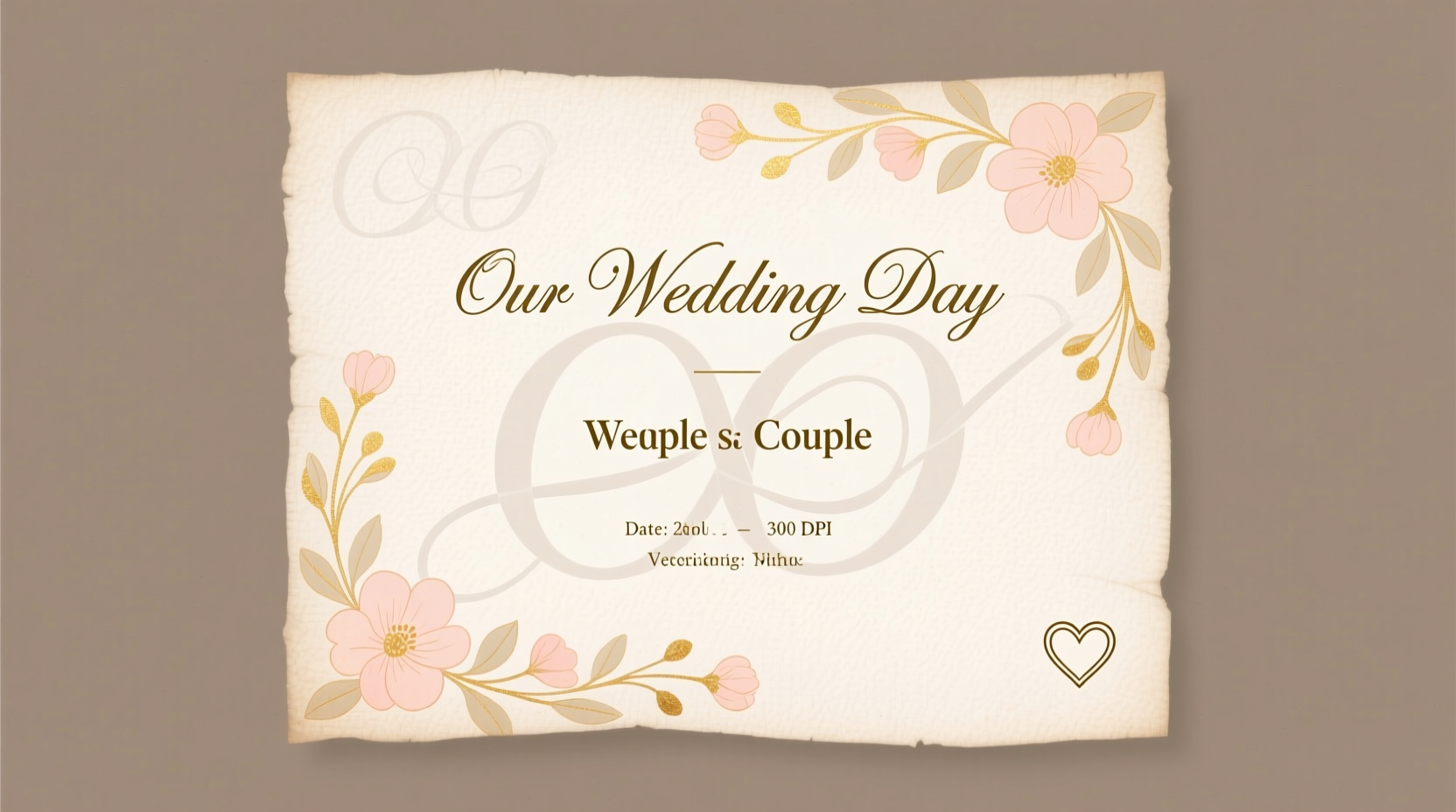
Yes, you do need wedding programs if you want to guide your guests through the ceremony, especially when including non-traditional elements, readings, or musical performances. While wedding ceremony programs are not mandatory, they serve as a thoughtful keepsake and practical tool that enhances the guest experience. For couples wondering do you need wedding programs, the answer depends on the complexity of the event, guest demographics, and venue layout. A well-designed wedding program can clarify the order of events, introduce readers and performers, honor cultural traditions, and help attendees feel more engaged and informed throughout the ceremony.
What Is a Wedding Program and Why Does It Matter?
A wedding program is a printed or digital document handed to guests as they arrive at the ceremony. It outlines the structure of the service, lists participants, and often includes personal notes from the couple. Though small in size, it plays a significant role in setting the tone and ensuring smooth flow.
Key purposes of a wedding program include:
- Informing guests about the ceremony timeline
- Introducing members of the wedding party
- Highlighting special readings, songs, or rituals
- Providing context for cultural or religious traditions
- Serving as a sentimental keepsake after the wedding
For older guests or those unfamiliar with certain customs—such as unity candle lighting or sand blending—a program offers clarity. It also helps guests follow along during interfaith or multicultural ceremonies where rituals may be less widely known.
When Should You Consider Using Wedding Programs?
While not every wedding requires a program, there are several scenarios where including one significantly improves the guest experience.
1. Complex or Non-Traditional Ceremonies
If your ceremony includes unique elements like a wine box ritual, handfasting, or multiple language readings, a program helps explain these moments. Without guidance, guests might miss the significance of symbolic acts.
2. Large Guest Lists or Diverse Attendees
When hosting over 50 guests, especially with extended family or international visitors, a program ensures everyone feels included. It answers questions like “Who is speaking next?” or “Why are they pouring sand into a jar?”
2. Outdoor or Non-Religious Venues
In settings like beaches, barns, or gardens, where traditional cues (like pews or altars) are absent, a program can orient guests. It clarifies where to look, when to stand, and what each part of the ceremony means.
4. Musically Rich or Liturgical Services
If your ceremony features live music, hymns, or audience participation (e.g., responsive readings), a program allows guests to follow lyrics or know when to respond. This is particularly useful in nondenominational or hybrid faith services.
When Can You Skip the Wedding Program?
There are valid reasons to forgo wedding programs. Doing so can reduce costs, simplify planning, and align with minimalist aesthetics.
1. Intimate Gatherings (Under 30 Guests)
In small weddings, most attendees already know the couple and the wedding party. The ceremony is often informal, making printed materials unnecessary.
2. Very Short or Streamlined Ceremonies
If your ceremony lasts under 15 minutes with no readings or musical interludes, a program adds little value. Guests can easily follow along without written guidance.
3. Eco-Conscious or Zero-Waste Weddings
Couples aiming for sustainability may avoid paper waste. In such cases, digital alternatives (like QR codes displayed at the entrance) can replace physical programs.
4. Destination Weddings with Limited Logistics
Shipping programs overseas or coordinating printing abroad can be challenging. Some couples opt for handwritten cards or skip them entirely to avoid complications.
Essential Elements to Include in Your Wedding Program
If you decide to create a program, ensure it contains key information presented clearly and elegantly.
| Element | Purpose | Example |
|---|---|---|
| Couple’s Names | Confirms who is getting married | Emma Thompson & James Carter |
| Date and Location | Provides context and memento value | October 12, 2025 | Napa Valley Vineyard |
| Order of Ceremony | Guides guests through the event | Processional → Welcome → Readings → Vows → Ring Exchange |
| Wedding Party Introductions | Helps guests identify key participants | Maid of Honor: Sarah Lee | Best Man: David Kim |
| Readings or Songs | Gives credit and meaning | "Love One Another" by Pablo Neruda, read by Aunt Clara |
| Special Ritual Explanation | Educates guests on symbolic acts | The Unity Candle represents the joining of two families. |
Avoid overcrowding the program. Stick to one double-sided page or a folded booklet. Use readable fonts and sufficient white space. Include a brief note of appreciation: “Thank you for celebrating this day with us.”
Common Mistakes to Avoid When Designing Wedding Programs
Even experienced planners make errors that diminish the effectiveness of wedding programs. Here are common pitfalls and how to avoid them.
- Overloading with Text: Too much detail overwhelms guests. Focus on essentials—timeline, names, and meanings.
- Poor Font Choices: Script fonts may look elegant but are hard to read. Pair a decorative title font with a clean body font like Georgia or Lato.
- Inconsistent Formatting: Mismatched alignment, spacing, or capitalization looks unprofessional. Proofread carefully.
- Incorrect Name Spellings: Double-check all names, titles, and readings. A typo in a loved one’s name can cause embarrassment.
- Ignoring Accessibility: Small print or low contrast (e.g., gray text on white) frustrates older guests. Aim for 12pt minimum font size and high contrast.
Digital vs. Printed Wedding Programs: Which Is Better?
With technology shaping modern weddings, many couples consider digital options.
Printed Programs: Pros and Cons
Pros:
- Tangible keepsake for guests
- No reliance on device batteries or connectivity
- Matches traditional or formal wedding themes
Cons:
- Higher cost (printing, envelopes, postage if mailed)
- Potential waste if unused
- Logistical challenges in destination weddings
Digital Programs: Pros and Cons
Pros:
- Eco-friendly and cost-effective
- Easy updates if ceremony changes last minute
- Can include hyperlinks to music or videos
Cons:
- Requires smartphones and data access
- May exclude less tech-savvy guests
- Lacks physical memorability
A hybrid approach works well: offer printed programs for elders and display a QR code for others to access a digital version with additional content like photo galleries or travel tips for destination guests.
How to Distribute Wedding Programs Effectively
Even the best-designed program fails if guests don’t receive it. Consider these distribution methods:
- Ushers or Greeters: Hand programs as guests arrive. Train attendants to offer them politely and answer basic questions.
- Baskets or Signage: Place programs in decorative baskets near seating with signs like “Take a Program” or “Follow Along.”
- Attached to Seating Cards: For seated arrangements, tie a program to each chair or place setting.
- Displayed on Easels: Use a chalkboard or acrylic sign summarizing the ceremony order, with full programs nearby.
Avoid leaving stacks unattended where wind or rain could damage them—especially outdoors.
Design Tips for Stylish and Functional Wedding Programs
Your program should reflect your wedding theme while remaining functional.
- Match Your Color Palette: Use colors from your invitations or décor. Navy and gold for formal; pastels for garden weddings.
- Incorporate Monograms or Logos: Add a custom crest with your initials and wedding date.
- Choose Quality Paper: Thick cardstock feels luxurious. Consider recycled or textured paper for eco-chic appeal.
- Add a Personal Touch: Include a short quote about love or a line from your vows.
- Hire a Designer: Platforms like Etsy or Canva offer templates, but a professional ensures polish and consistency.
Alternatives to Traditional Wedding Programs
If you’re skipping printed programs, consider these alternatives:
- Ceremony Announcements: Have the officiant briefly explain each segment as it occurs.
- Signage: Post simple signs indicating “Ceremony Begins in 5 Minutes” or “Please Stand for Vows.”
- Verbal Cues: Ask the officiant to introduce readers or explain rituals aloud.
- Pre-Wedding Emails: Send digital summaries to guests before the event, especially helpful for destination weddings.
Final Verdict: Do You Really Need Wedding Programs?
The decision ultimately hinges on your wedding’s style, audience, and goals. Wedding ceremony programs are not required, but they enhance understanding, inclusivity, and emotional connection. They’re especially valuable for non-traditional, multicultural, or large-scale events. For minimalist, intimate, or eco-focused weddings, they can be omitted without issue.
Ask yourself:
- Will guests benefit from knowing the ceremony flow?
- Are there cultural or symbolic elements that need explanation?
- Do I want to provide a lasting memento?
If you answer “yes” to any, then creating a wedding program is a worthwhile investment.
Frequently Asked Questions About Wedding Programs
Do you need wedding programs for a courthouse wedding?
No. Courthouse weddings are typically very short and attended only by immediate family. There’s usually no need for a program unless you plan a symbolic reading or ritual.
Should wedding programs include the menu?
No. Menus belong in reception materials, not ceremony programs. Mixing the two confuses timing and focus.
Can wedding programs be in a language other than English?
Yes, especially in bilingual weddings. Offer dual-language versions or translations for non-native speakers to ensure inclusivity.
How early should wedding programs be finalized?
Finalize content 4–6 weeks before the wedding to allow time for design, proofing, and printing. Make final checks 1 week prior in case of last-minute changes.
Who traditionally pays for wedding programs?
Costs are typically covered by the couple or the bride’s family, depending on budget agreements. Printing and design usually range from $100 to $500 based on quantity and materials.





 浙公网安备
33010002000092号
浙公网安备
33010002000092号 浙B2-20120091-4