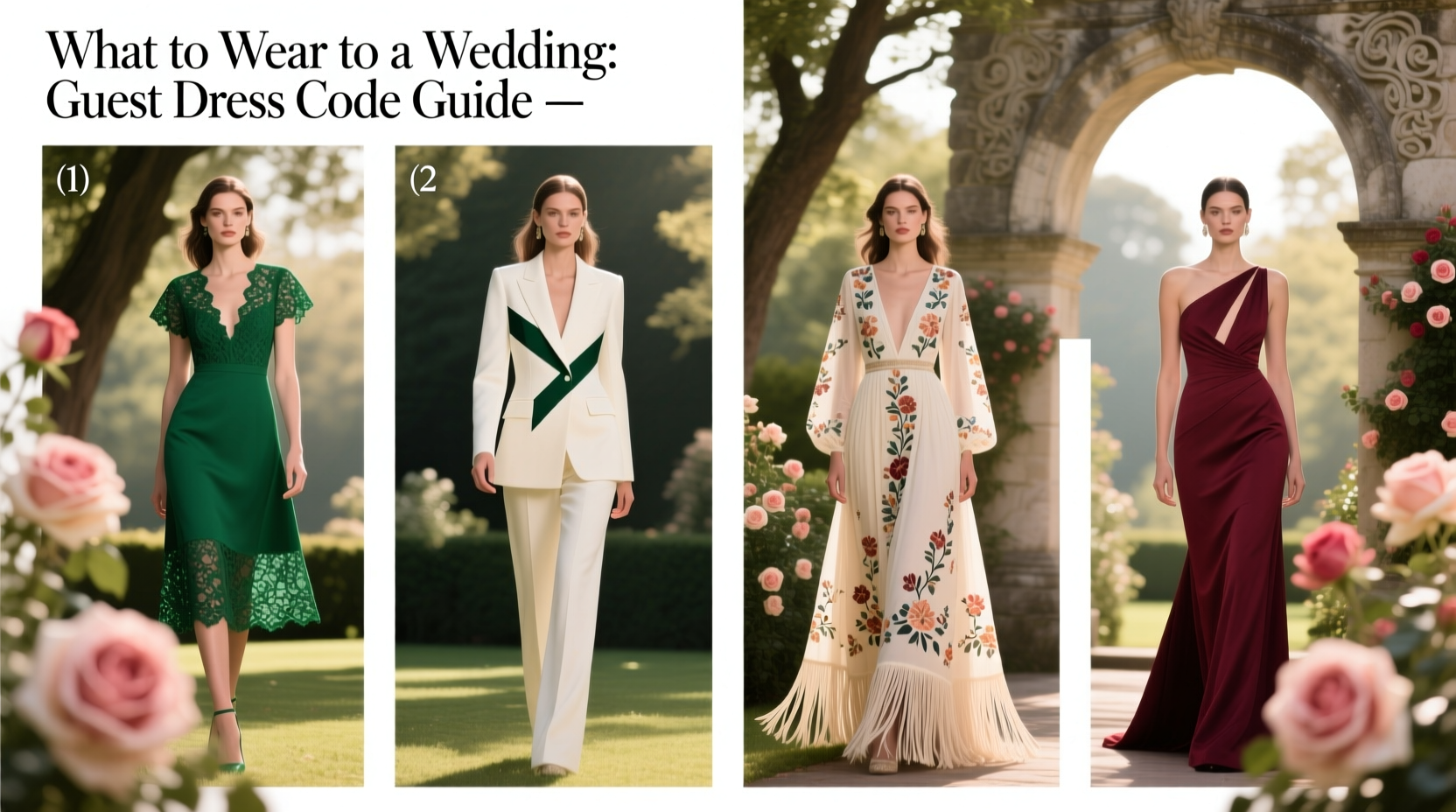
When attending a wedding, knowing what to wear to a wedding is essential for showing respect to the couple while fitting in with the event’s tone. A common question among guests is whether their outfit choice aligns with the formality and theme—especially when faced with vague invitations or cultural differences. The key is understanding the wedding’s dress code, venue, time of day, and cultural context. For example, a beach ceremony calls for lighter fabrics and more relaxed attire than a black-tie ballroom reception. This comprehensive guide will walk you through everything you need to know about appropriate wedding wear, from decoding dress codes to avoiding fashion faux pas, ensuring you look polished and respectful as a guest at any celebration.
Understanding Wedding Dress Codes
One of the first steps in deciding what to wear to a wedding is interpreting the dress code listed on the invitation. While some are straightforward, others can be ambiguous. Below is a breakdown of the most common wedding dress codes and what they mean for your outfit selection.
Casual
A casual wedding typically takes place during the day and may occur outdoors or in a relaxed setting like a backyard or garden. For men, this means khakis or chinos paired with a button-down shirt or polo; a sport coat is optional. Women can opt for sundresses, cotton skirts with blouses, or smart separates. Avoid jeans, sneakers, or overly revealing clothing unless specified by the couple.
Semi-Formal / Cocktail
This is one of the most common dress codes. For women, a cocktail dress between knee and midi length is ideal. Choose elegant fabrics like silk, lace, or chiffon. Men should wear a suit and tie—navy or gray suits work well. A pocket square adds a refined touch without being over the top.
Formal / Black-Tie Optional
At formal weddings, men are expected to wear tuxedos or dark suits with bow ties. Women should choose floor-length gowns or sophisticated cocktail dresses. Jewelry and heels elevate the look. If it says 'black-tie optional,' a well-tailored suit is acceptable for men, but a tuxedo makes a stronger impression.
Black-Tie
Reserved for evening events, black-tie weddings require men to wear tuxedos with cummerbunds or waistcoats and black dress shoes. Women should wear full-length evening gowns. Colors like deep navy, emerald, or burgundy are appropriate, but avoid white (reserved for the bride) and overly flashy sequins that might distract from the couple.
White-Tie (Very Rare)
Extremely formal, white-tie weddings are uncommon today. Men must wear tailcoats with white bow ties, wing-collar shirts, and formal gloves. Women wear full-length ball gowns with opera-length gloves and tiaras or elegant headpieces. These events usually take place in grand ballrooms or historic venues.
Can You Wear Black to a Wedding?
Yes, you can absolutely wear black to a wedding—especially at evening or formal events. In many Western cultures, black is no longer associated solely with mourning; instead, it's seen as classic, elegant, and versatile. However, consider the cultural background of the couple. In some Asian and Eastern European traditions, black may still symbolize grief, so it’s wise to check local customs if unsure.
The key is styling. Pairing a black dress with colorful accessories (like red heels or gold jewelry) softens the look and celebrates the occasion. Avoid wearing all-black outfits without variation, especially if the wedding has a bright or pastel theme.
What Not to Wear to a Wedding
Certain clothing choices, while fashionable in other settings, are inappropriate for weddings. Here’s a list of items to avoid:
- White or ivory dresses – These colors are traditionally reserved for the bride. Even off-white or cream shades can draw unwanted attention.
- Overly revealing outfits – Deep plunging necklines, ultra-short hemlines, or sheer fabrics can be distracting and disrespectful.
- Athletic wear or flip-flops – Unless it’s a beach wedding where sandals are expected, avoid sportswear, gym shoes, or flip-flops.
- Military uniforms (unless invited) – Civilians should not wear military attire unless they are active-duty personnel and the event permits it.
- Costumes or novelty attire – Themed weddings aside, avoid dressing like a character or wearing humorous slogans.
Wedding Attire by Season and Venue
The location and season significantly influence appropriate wedding wear. Here’s how to adapt your outfit accordingly:
| Venue/Season | Women's Wear | Men's Wear |
|---|---|---|
| Beach/Warm Weather | Lightweight maxi dresses, flowy skirts, breathable fabrics | Linen shirts, lightweight suits, loafers or dressy sandals |
| Garden/Outdoor | Cocktail dresses, floral prints, wedge heels | Blazers with chinos, loafers, no socks (optional) |
| Indoor Ballroom | Evening gowns, cocktail dresses, heels | Suits or tuxedos, dress shoes, ties/bow ties |
| Winter/Cold Climate | Long sleeves, velvet or satin dresses, shawls or coats | Wool suits, overcoats, leather shoes |
For outdoor weddings, also consider practicality. High heels can sink into grass, so wedges or block heels are better choices. Bring a wrap or jacket even in warm weather, as evenings can cool down unexpectedly.
Cultural Considerations in Wedding Attire
With the rise of multicultural weddings, guests may attend ceremonies blending different traditions. It’s important to honor these customs through your clothing choices.
- Indian Weddings: Guests often wear bright colors like red, gold, or fuchsia. Sarees, lehengas, or kurta sets are common. Avoid white, which is associated with mourning.
- Chinese Weddings: Red is a lucky color and widely worn. However, avoid red if you're not part of the bridal party, as it may upstage the bride. Gold and pink are safe alternatives.
- Middle Eastern Weddings: Modest dress is appreciated. Women should cover shoulders and knees; men should wear long pants and collared shirts.
- Western Christian Weddings: Follow standard Western etiquette—avoid white, dress according to formality, and respect religious symbols.
- Jewish Weddings: Modesty matters, especially under a chuppah. Women should cover shoulders; some Orthodox ceremonies require covered knees.
When in doubt, ask the couple or consult the wedding website for guidance.
Accessories and Grooming Tips
The right accessories complete your wedding guest look. For women, choose statement earrings or a delicate necklace, but avoid anything too loud. A small clutch complements an evening gown. For men, cufflinks, a quality watch, and polished shoes make a difference. Both genders should ensure clothes are clean, pressed, and fit well.
Grooming matters too. Neat hair, trimmed nails, and subtle fragrance show attention to detail. Avoid overpowering perfumes or colognes, which can bother others in close quarters.
Children’s Wedding Attire
Kids attending weddings should be dressed neatly but comfortably. Boys can wear miniature suits or dress shirts with shorts or pants. Girls often wear party dresses or fancy sundresses. Avoid overly stiff or uncomfortable clothing—children move around, dance, and may need to play quietly.
Check with hosts if there’s a specific theme or color scheme. Some couples request matching outfits for young guests, especially ring bearers or flower girls.
Bridal Party vs. Guest Attire: Key Differences
Guests should never wear what resembles bridal party attire. Bridesmaids usually wear coordinated dresses chosen by the bride. Wearing a similar style or color could cause confusion. Likewise, avoid suits identical to the groomsmen’s unless you’re part of the wedding party.
If the bridesmaids are wearing blush pink, don’t choose a blush pink dress—even if it’s a different cut. Opt for complementary shades like dusty rose, mauve, or lavender instead.
How to Confirm What to Wear
If the invitation doesn’t specify a dress code, here’s how to find out:
- Check the wedding website – Many couples include detailed attire suggestions online.
- Ask the couple directly – A polite message like, “I want to dress appropriately—do you have a preference?” shows thoughtfulness.
- Contact a mutual friend or wedding planner – They may have insight into the event’s tone.
- Observe the venue and time – Evening = more formal; daytime garden = semi-formal.
Frequently Asked Questions
Can I wear jeans to a wedding?
No, unless it’s explicitly stated as a casual or rustic-themed wedding. Even then, dark, tailored jeans without rips may be acceptable, but dress pants or chinos are safer choices.
Is it okay to wear a hat to a wedding?
Yes, especially at outdoor or Southern-style weddings. Women often wear stylish hats or fascinators. Men should avoid baseball caps; a fedora or panama hat may work depending on the formality.
Can men wear suspenders instead of a belt?
Yes, suspenders are classic and functional, especially with formal suits or tuxedos. Ensure they match your outfit and aren’t visible over the jacket.
Should I bring a change of clothes?
If the wedding includes a reception with dancing or a less formal after-party, bringing comfortable shoes is smart. A full outfit change is rare but useful for destination weddings with multiple events.
What if I accidentally wear something inappropriate?
Apologize sincerely to the couple if they notice. In the future, double-check dress codes. Most hosts understand mistakes happen, especially across cultures.





 浙公网安备
33010002000092号
浙公网安备
33010002000092号 浙B2-20120091-4