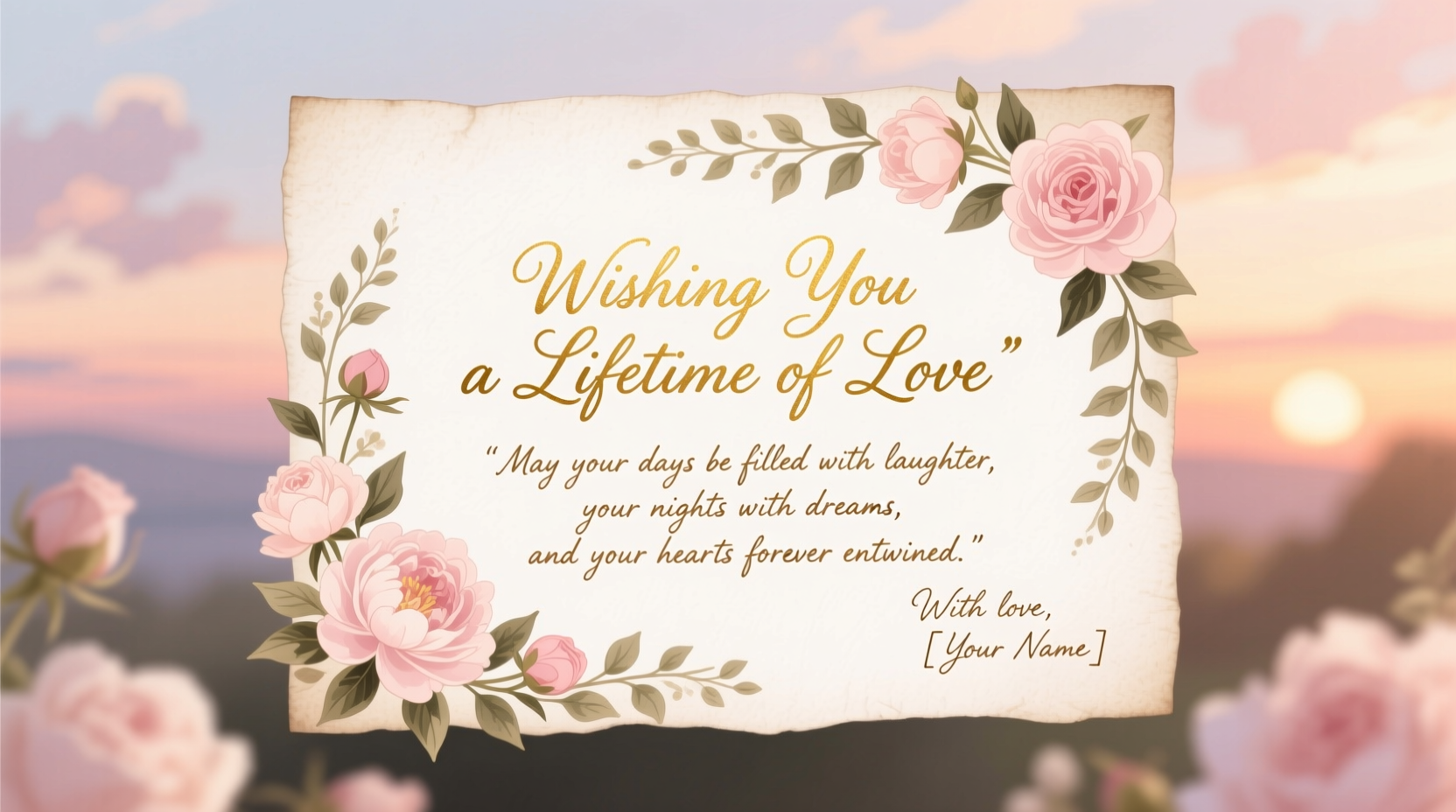
When it comes to creating a special memory wedding experience, few gestures are as meaningful as a thoughtfully written wedding card. Whether you're a close family member, lifelong friend, or distant relative, your words can become a cherished keepsake the couple returns to for years. So, what to write in a wedding card? The best messages combine sincerity, personal connection, and well-wishes that reflect the significance of the day. A great wedding card doesn’t need to be long—it just needs to feel authentic and come from the heart.
Why Your Wedding Card Message Matters
A wedding card is more than a social obligation; it’s an opportunity to contribute to the emotional fabric of the big day. For many couples, these cards are saved and revisited during anniversaries, tough times, or quiet moments when they need a reminder of love and support. In fact, one of the most treasured elements of a special memory wedding isn’t the décor or the cake—it’s the collection of handwritten notes from loved ones.
Think of your message as a tiny time capsule. It captures your voice, emotions, and relationship with the couple at that exact moment. That’s why generic phrases like 'Congratulations!' or 'Wishing you happiness' fall flat—they lack depth and personal touch.
Structure of a Thoughtful Wedding Card Message
To craft a message that stands out, follow this simple three-part structure:
- Opening Greeting: Address the couple by name (e.g., 'Dear Sarah and James'). If writing to one person, such as a sibling getting married, personalize accordingly.
- Personal Reflection or Memory: Share a brief story, quality you admire, or a fond memory. This is where your message becomes unique.
- Well-Wishes and Closing: Offer hopes for their future, then sign off warmly (e.g., 'With love,' 'Warmly,' 'Cheers to forever').
Examples of What to Write in a Wedding Card
Here are several real-life inspired examples based on different relationships:
For Close Friends
'Dear Mia and Alex, watching your love grow over the years has been one of my greatest joys. I’ll never forget our road trip when you two first admitted you were dating—your smiles said everything. Wishing you a lifetime filled with laughter, adventure, and endless cups of coffee together. Can’t wait to see all the beautiful memories you create.'
For Siblings
'To my amazing brother David and your radiant bride Lena—today feels both surreal and perfect. From building forts as kids to standing beside you at your altar, I’m so proud of the man you’ve become. May your marriage be full of patience, forgiveness, and daily doses of joy.'
For Parents Writing to Their Child
'Our dearest Emma, seeing you walk down the aisle was a dream we’ve held since you were born. You’ve always led with kindness, and now you’re starting a life built on love and mutual respect. We adore Daniel and welcome him into our family with open arms. Here’s to decades of happiness.'
For Colleagues or Acquaintances
'Dear Jordan and Taylor, congratulations on your wedding! It’s been wonderful getting to know both of you through work. Wishing you a future filled with shared dreams, strength through challenges, and countless reasons to celebrate.'
Religious or Spiritual Tone
'May God bless your union with peace, grace, and unwavering faith in each other. As you begin this sacred journey, remember that love is patient, love is kind—and you’ve found something truly special.'
Common Mistakes to Avoid in Wedding Cards
Even well-intentioned messages can go wrong if they include inappropriate content. Steer clear of these pitfalls:
- Bringing up past relationships: Never reference exes or say things like 'I knew you’d find someone better.' It’s awkward and disrespectful.
- Focusing only on romance: While love is central, also acknowledge partnership, friendship, and shared values.
- Being too casual or humorous: Inside jokes or sarcasm may not land well. Save edgy humor for the toast, not the card.
- Writing about marriage struggles: Avoid warnings like 'Marriage isn’t easy' or 'You’ll fight sometimes.' While true, it’s not the moment for realism.
- Using clichés without substance: Phrases like 'love is forever' are fine, but pair them with personal insight to give them weight.
Tips for Making Your Message Memorable
Want your note to stand out in a stack of dozens? Try these proven strategies:
- Handwrite whenever possible: A typed note lacks intimacy. Use neat handwriting and quality pen (blue or black ink preferred).
- Include a specific memory: Mention a moment you shared with one or both partners—a vacation, holiday, or milestone event.
- Compliment their partnership: Instead of saying 'He’s lucky to have you,' try 'The way you two listen to each other inspires me.'
- Add a quote (sparingly): One meaningful quote from literature, scripture, or film can enhance your message—but don’t let it replace your own words.
- Keep it concise: Aim for 3–6 sentences. Most cards have limited space, and brevity often increases impact.
Cultural and Religious Considerations
If attending a multicultural or interfaith wedding, be mindful of tone and references. For example:
- In some cultures, direct praise of the bride or groom may be seen as boastful. Focus on the family or community instead.
- Religious weddings may appreciate blessings or scriptural references—but only if you’re familiar with the tradition. When in doubt, keep it neutral and warm.
- Some Asian cultures exchange red envelopes (hongbao, ang pao) with money instead of cards. If this applies, include a short note inside the envelope.
When unsure, observe how others in the couple’s inner circle write their messages, or ask a mutual friend for guidance.
When You Don’t Know the Couple Well
You might attend a coworker’s wedding or a friend-of-a-friend ceremony. In these cases, sincerity still matters—even if your connection is light.
Focus on universal themes: new beginnings, shared joy, and hope for the future. Example:
'Dear Chris and Morgan, it’s an honor to celebrate your wedding day. Though we haven’t had the chance to know each other deeply, the love between you is unmistakable. Wishing you a marriage full of trust, growth, and everyday magic.'
Digital Alternatives: E-Cards and Social Media
While traditional paper cards remain the gold standard for a special memory wedding, digital options are increasingly common—especially for destination weddings or last-minute RSVPs.
However, avoid posting your full message publicly on Instagram or Facebook unless invited to do so. A public comment like 'So happy for you both!' is appropriate, but save heartfelt sentiments for private channels.
If sending an e-card:
- Use platforms like Paperless Post or Greenvelope that allow personalization.
- Still write a custom message—don’t rely on the default text.
- Send it on the wedding day or shortly after, not weeks later.
Special Touches That Elevate Your Card
Make your wedding card even more memorable with these creative ideas:
- Include a photo: Tape a small printed picture of you with the couple or from a past event.
- Add a pressed flower: From the ceremony or your garden, this adds a tactile, sentimental element.
- Write a poem or short blessing: Even four lines can make a lasting impression.
- Pair it with a small gift: A favorite book on marriage, a custom keychain, or a donation in their name.
Timing and Delivery: When and How to Give the Card
The ideal time to deliver your wedding card is:
- At the wedding: Place it in a designated card box or give it to the couple during greetings.
- By mail: If you can’t attend, send it within two weeks before or after the wedding date.
Never delay more than a month—late cards lose their emotional relevance.
What If You’re Giving a Gift Too?
If including a gift, you have two options:
- Attach the card directly: Tape it neatly to the gift box.
- Leave it separate: Especially if the gift is large or shipped separately, ensure the card still reaches the couple via the registry or host.
Pro tip: Repeating your message in both the card and gift receipt is unnecessary. Let the card be the sole carrier of your words.
How Couples Preserve Wedding Cards
Many couples keep wedding cards in a memory box, scrapbook, or dedicated folder. Some even scan them into digital albums. Knowing this, take pride in your handwriting and message clarity. Avoid using pencils or fading ink.
A few years down the line, your words could be read aloud on an anniversary or during a difficult season. That’s the power of a sincerely written note in a special memory wedding.
FAQs About Wedding Card Messages
| Question | Answer |
|---|---|
| How long should a wedding card message be? | Ideally 3–6 sentences. Enough to be personal, but concise enough to fit in standard card space. |
| Can I use humor in a wedding card? | Yes, but keep it gentle and inclusive. Avoid anything embarrassing or potentially offensive. |
| Should I sign my full name? | If the couple knows you well, just your first name or nickname is fine. For formal settings or distant relations, use your full name. |
| Is it okay to write to just one partner? | Only if you’re extremely close to one person (like a parent or sibling). Otherwise, address both equally. |
| What if I make a mistake while writing? | Don’t stress. A single crossed-out word won’t ruin the sentiment. Use correction tape if needed, or start fresh on a new card. |
Final Thoughts: Create a Lasting Impression
In the whirlwind of a wedding day, small details often become the most significant. A heartfelt message in a wedding card is one of those details—a quiet act that speaks volumes. Whether you’ve known the couple for decades or just met, your words have the potential to uplift, comfort, and inspire.
Remember, there’s no perfect formula for what to write in a wedding card. But when you speak honestly, recall a genuine moment, and wish them well from the heart, you’re already creating a special memory wedding keepsake they’ll treasure forever.





 浙公网安备
33010002000092号
浙公网安备
33010002000092号 浙B2-20120091-4