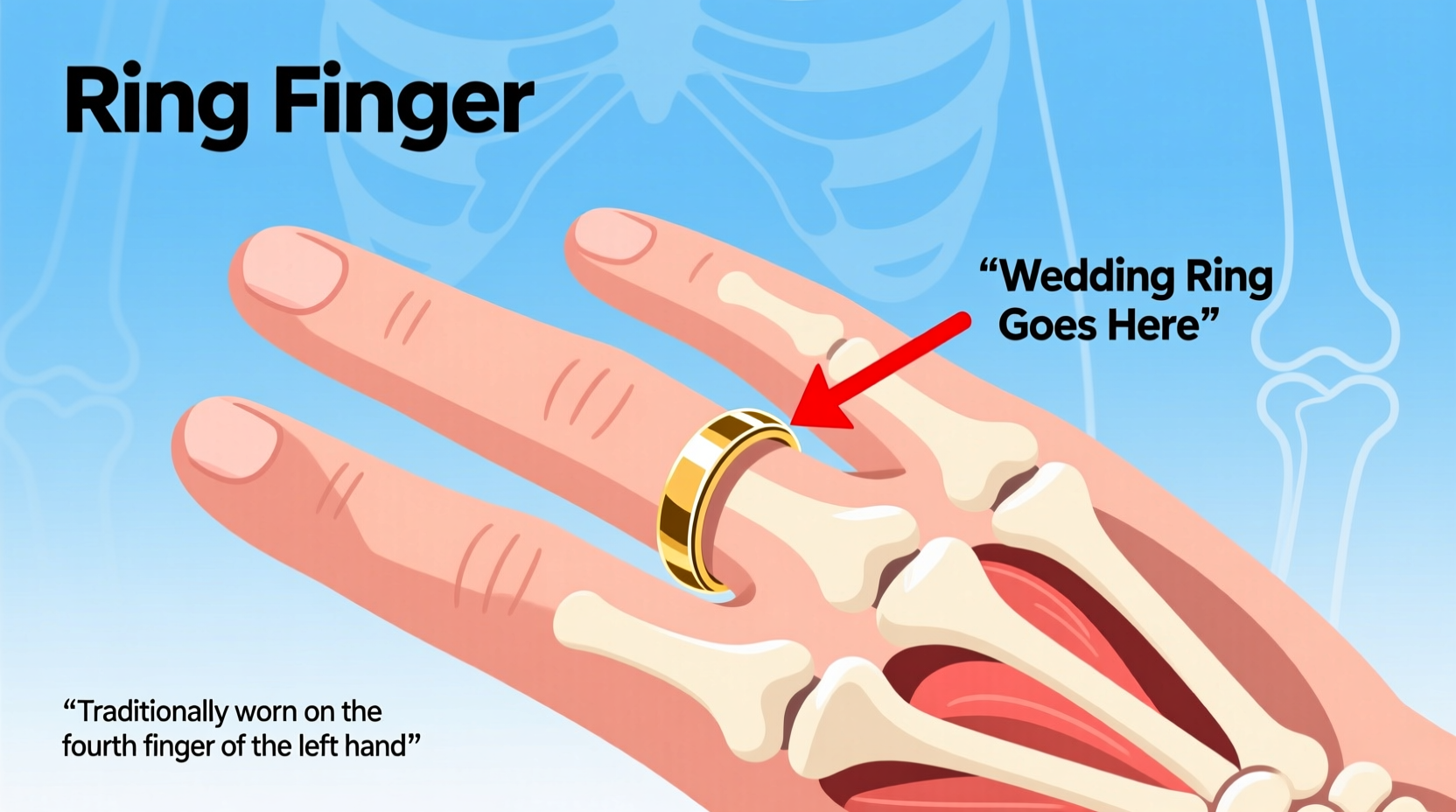
The wedding ring is traditionally worn on the fourth finger of the left hand, commonly known as the 'ring finger,' a custom followed in countries like the United States, Canada, and the United Kingdom. This widespread practice stems from the ancient belief in the vena amoris, or 'vein of love,' said to run directly from this finger to the heart. While which finger wedding ring traditions vary globally, understanding cultural norms, religious customs, and personal preferences can help couples make informed choices about how and where to wear their bands. In this comprehensive guide, we explore the historical roots, regional differences, symbolic meanings, and practical considerations behind wedding ring placement.
Historical Origins of the Ring Finger Tradition
The tradition of wearing a wedding ring on the fourth finger of the left hand dates back to ancient Egypt and Rome. Egyptians believed that the vena amoris connected the fourth finger directly to the heart, making it the perfect vessel for a symbol of love. Romans adopted this idea, placing betrothal and marriage rings on this finger during ceremonies. The phrase 'on the fourth finger of the left hand' became deeply embedded in Western matrimonial customs.
By the Middle Ages, Christian wedding ceremonies in Europe formalized the ring exchange, with priests blessing the ring and placing it on each bride’s and groom’s fourth finger. The Book of Common Prayer used in Anglican services during the 16th century reinforced this ritual, further cementing the tradition in English-speaking countries.
Despite the lack of anatomical evidence supporting the vena amoris theory, the symbolism remains powerful. Today, many couples still choose the left-hand ring finger not because of physiology but due to its enduring romantic connotation.
Cultural Variations: Which Finger for Wedding Ring Around the World?
While the left-hand ring finger is standard in many Western nations, numerous countries follow different customs. Understanding these variations is essential for multicultural couples, travelers, or those attending international weddings.
| Country/Region | Wedding Ring Finger | Notes |
|---|---|---|
| United States, UK, Canada, France | Left hand, fourth finger | Standard Western tradition |
| Germany, Russia, Poland, India | Right hand, fourth finger | Strong cultural or religious basis |
| Brazil, Norway, Austria | Right hand during engagement, left after marriage | Transition based on marital status |
| Greece, Ukraine, Spain | Right hand | Orthodox Christian influence |
| Mexico, Colombia | Either hand, often left | Varies by family or region |
In Eastern Orthodox traditions, such as in Greece and Russia, wedding rings are placed on the right hand during the ceremony. This stems from biblical references where the right hand symbolizes honor and strength. Similarly, in India, both men and women may wear wedding bands on the right hand, especially in Hindu ceremonies, though urban couples increasingly adopt Western styles.
In Germany and Austria, the engagement ring is worn on the left hand, but upon marriage, it moves to the right. This subtle shift reflects a change in relationship status and is an important detail for guests to observe when interpreting ring-wearing customs abroad.
Religious Influences on Wedding Ring Placement
Religion plays a significant role in determining which finger a wedding ring goes on. Different faiths have distinct rituals and symbolic interpretations.
- Christianity: In Catholic and Protestant traditions, the ring is typically placed on the left-hand ring finger during the ceremony. In contrast, Eastern Orthodox churches bless the ring and place it on the right hand, reflecting theological emphasis on divine authority and righteousness.
- Judaism: During a Jewish wedding ceremony under the chuppah, the ring is placed on the bride’s right index finger (according to traditional Halacha). However, most modern Jewish couples immediately move the ring to the left ring finger after the ceremony for practical and social reasons.
- Islam: While wedding rings are not required in Islamic tradition, many Muslim couples exchange bands. Men may wear silver rings on the right hand, while women often choose gold on the left, depending on cultural background rather than religious mandate.
- Hinduism: Indian brides traditionally wear toe rings (bichiya) and mangalsutra necklaces as primary symbols of marriage. Modern Hindu couples may also exchange wedding bands, usually on the right hand for both partners.
Practical Considerations When Choosing Your Ring Finger
Beyond tradition and religion, several practical factors influence which finger a couple chooses for their wedding band.
Dominant Hand Usage
Many people opt to wear their wedding ring on the non-dominant hand to reduce wear and tear. For right-handed individuals, this means the left hand; for left-handed people, some prefer the right. Rings on the dominant hand are more prone to scratches, knocks, and exposure to chemicals—important considerations for professionals in manual labor or healthcare.
Comfort and Fit
Finger size can fluctuate throughout the day due to temperature, hydration, or weight changes. Some find that one hand consistently fits their ring better. It’s acceptable to resize or switch hands if discomfort arises. Dermatological conditions like eczema or arthritis may also affect ring placement decisions.
Matching Engagement Rings
In many Western cultures, the wedding band is worn closest to the heart—meaning beneath the engagement ring on the same finger. This stacking order symbolizes that the commitment of marriage lies at the core of the relationship. Couples with elaborate engagement rings often select wedding bands that complement their design, ensuring both sit flush when worn together.
Modern Trends and Personalization
Today’s couples increasingly personalize wedding traditions, including ring-wearing practices. Some choose to wear their rings on alternate fingers for aesthetic or symbolic reasons.
- Unisex Bands: Gender-neutral designs encourage both partners to wear matching rings on the same finger, reinforcing equality in the partnership.
- Tattoo Rings: As an alternative to metal bands, some opt for permanent ink designs on the traditional ring finger, allowing them to 'wear' their commitment without physical jewelry.
- Double Ring Tradition: In LGBTQ+ weddings, couples may choose fingers based on personal significance rather than convention, sometimes wearing rings on both hands or creating new rituals.
- Promise Rings: Before engagement, couples may exchange promise rings on different fingers, later transitioning to the traditional ring finger upon marriage.
Ultimately, the decision should reflect the couple’s values, lifestyle, and comfort level. There is no single correct answer to which finger wedding ring belongs on—only what feels meaningful to the individuals involved.
Common Misconceptions About Wedding Ring Placement
Several myths persist about wedding ring etiquette. Clarifying these helps prevent confusion and social missteps.
- Myth: Wearing your wedding ring on the wrong finger invalidates your marriage.
Truth: Legal marriage is established through official documentation, not ring placement. - Myth: Only women wear wedding rings.
Truth: Increasingly, men participate equally in ring exchanges, especially in egalitarian relationships. - Myth: You must always wear your ring on the same finger.
Truth: Many people temporarily switch hands due to swelling, injury, or occupational hazards. - Myth: Engagement and wedding rings must be worn together.
Truth: Some separate them for safety or style, storing one during work hours or special events.
What to Do If You're Unsure Which Finger to Use
If you're preparing for your own wedding or attending one in a foreign country, here are actionable steps to ensure proper etiquette:
- Research Cultural Norms: If marrying into another culture or attending an international wedding, learn local customs beforehand.
- Consult Religious Leaders: Clergy or officiants can clarify expectations within specific faith traditions.
- Communicate With Your Partner: Decide together whether to follow tradition, blend customs, or create your own ritual.
- Ask Discreetly: At a wedding abroad, observe others or politely ask a local guest or planner for guidance.
- Prioritize Comfort: Choose a finger that allows daily wear without risk of loss or damage.
Frequently Asked Questions
Can I wear my wedding ring on a chain around my neck?
Yes. Many people, especially those in high-risk professions, wear their wedding ring on a necklace for safety while still keeping it close to the heart.
Do divorced people remove their wedding rings?
This is personal. Some remove it immediately, others keep it on the right hand, and some store it until they decide. There's no universal rule.
Is it bad luck to try on someone else’s wedding ring?
In folklore, yes—some believe it invites misfortune in love. However, in modern times, trying on rings for sizing or fashion is generally accepted.
Should I wear my engagement ring after getting married?
Most do. Traditionally, the wedding band goes first on the finger, followed by the engagement ring, symbolizing that marriage is the foundation.
Can same-sex couples follow the same ring traditions?
Absolutely. Same-sex couples may adopt traditional practices, adapt them, or invent new ones that reflect their identity and relationship values.





 浙公网安备
33010002000092号
浙公网安备
33010002000092号 浙B2-20120091-4