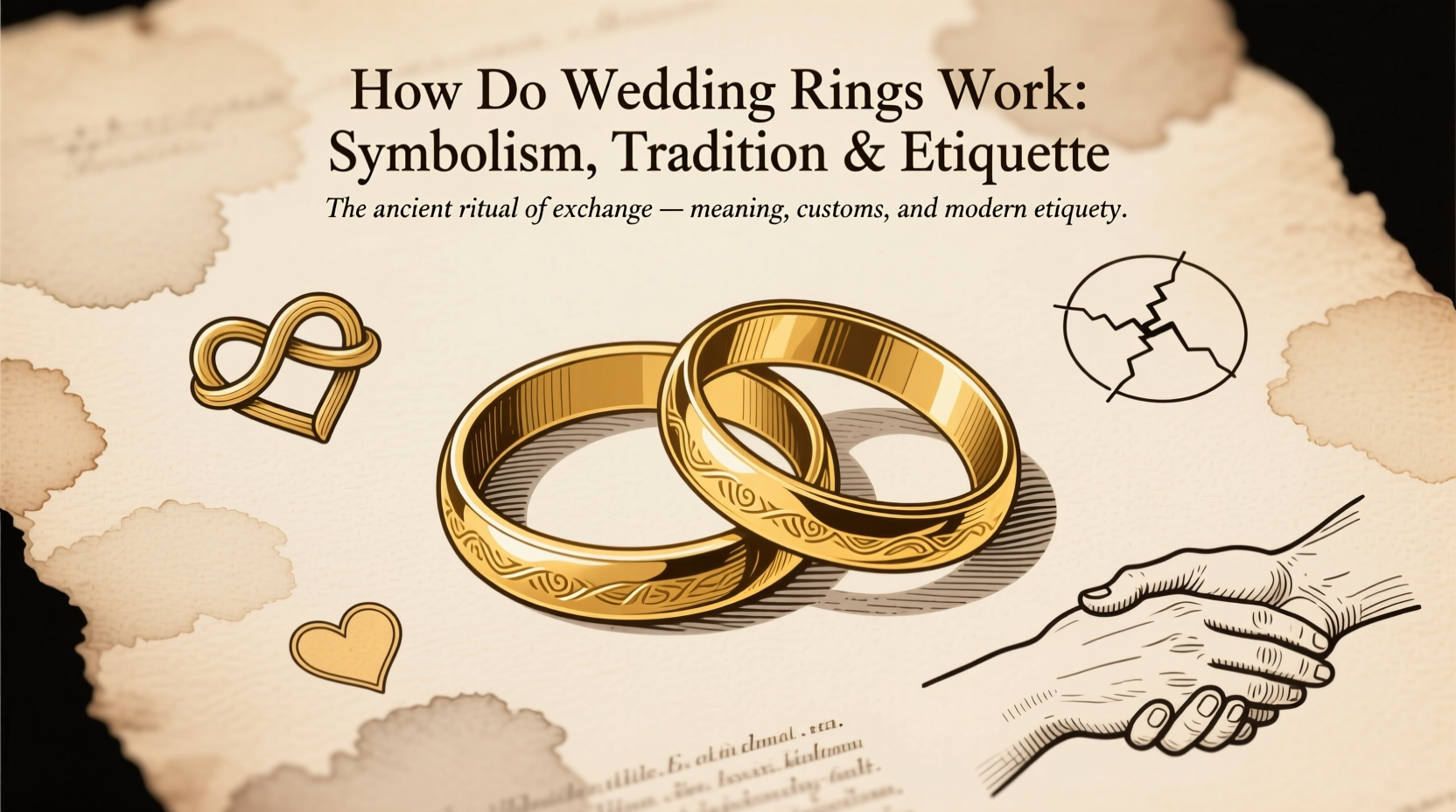
Wedding rings work as enduring symbols of love, commitment, and unity between two partners entering marriage. The tradition of exchanging wedding bands during a ceremony is deeply rooted in history and culture, representing an unbroken circle of eternal devotion. Understanding how do wedding rings work involves more than just knowing where to wear them—it encompasses their symbolic meaning, the rituals surrounding their exchange, proper etiquette for wearing them, and the cultural nuances that shape their use across different societies. This guide breaks down every aspect of wedding rings, offering practical insights for engaged couples, wedding planners, and curious readers alike.
The Symbolic Meaning Behind Wedding Rings
At the heart of every wedding ring lies symbolism. The circular shape—without beginning or end—represents eternity, reflecting the idea of endless love and lifelong partnership. Historically, this concept dates back to ancient Egypt, where reeds and hemp were fashioned into rings to symbolize infinity. Over time, metals like iron, gold, and silver replaced natural materials, adding durability and value to the gesture.
In modern weddings, the exchange of rings signifies mutual promises made during vows. When couples place rings on each other’s fingers, they are not only honoring tradition but also making a public declaration of fidelity, support, and shared future goals. Psychologically, wearing a wedding band serves as a daily reminder of marital commitments, strengthening emotional bonds over time.
When and How Are Wedding Rings Exchanged?
The timing and method of ring exchange vary slightly depending on religious, cultural, or secular ceremonies, but most follow a similar structure within the wedding service. Typically, the ring exchange occurs after the couple recites their vows and before the official pronouncement of marriage.
- Ceremonial Order: In Christian and interfaith services, the officiant often blesses the rings before they are placed on the bride and groom’s fingers.
- Vows and Ring Blessing: Some traditions include specific wording such as, “With this ring, I thee wed,” reinforcing the sacred nature of the act.
- Double Ring Ceremony: Today, it's standard for both partners to exchange rings, though historically only women received them.
- Secular Ceremonies: Non-religious weddings may incorporate personalized readings or explanations about what the rings mean to the couple.
It’s important to coordinate with your officiant ahead of time to ensure the ring exchange flows smoothly. Many couples choose to have their rings carried by the best man, maid of honor, or a designated ring bearer (often a young child), who walks down the aisle holding the rings on a cushion or decorative box.
Which Hand Does a Wedding Ring Go On?
One of the most frequently asked questions related to how do wedding rings work is about placement: which hand should wear the wedding ring? The answer depends largely on cultural and regional customs.
| Country/Region | Wearing Hand | Notes |
|---|---|---|
| United States, Canada, UK, France | Left hand (ring finger) | Belief in the 'vena amoris' (vein of love) connecting this finger directly to the heart |
| Germany, Russia, India, Poland | Right hand (ring finger) | Rooted in historical and religious traditions; varies by faith |
| Greece (Orthodox Christians) | Right hand initially, then switched to left after ceremony | Combines religious ritual with local custom |
| Brazil | Engagement: right hand; Wedding: left hand | Rings are moved after the ceremony |
If you're attending or planning a multicultural wedding, confirm expectations with all parties involved. Mismatched practices can lead to confusion unless addressed early. For example, a German bride marrying an American groom might opt to wear her ring on the right hand out of respect for heritage, even if guests expect otherwise.
Different Types of Wedding Rings and Their Roles
Understanding how wedding rings function also means recognizing the various types used in modern marriages:
- Wedding Band: A simple, continuous metal band traditionally worn daily after marriage. Often made of gold, platinum, or palladium.
- Engagement Ring: Usually features a center stone (like a diamond) and is given during a proposal. Worn prior to the wedding and typically alongside the wedding band afterward.
- Eternity Ring: Given later in the relationship—often on anniversaries or after childbirth—symbolizing ongoing love. Features gemstones set all around or partially around the band.
- Couple’s Rings: Matching or complementary designs worn by both partners, emphasizing unity.
Many couples now stack their engagement ring and wedding band together on the same finger. Jewelers offer “ring guards” or “contoured bands” designed to fit snugly against engagement rings with large stones, preventing shifting and damage.
Materials, Maintenance, and Personalization
Modern wedding rings come in a wide range of materials beyond traditional yellow gold. Popular choices include:
- Platinum: Durable, hypoallergenic, retains shine longer than gold.
- White Gold: Rhodium-plated for a silvery finish; requires periodic re-plating.
- Titanium, Tungsten, Ceramic: Affordable, scratch-resistant options popular among men.
- Alternative Metals: Cobalt, stainless steel—ideal for active lifestyles.
Engraving is another way couples personalize their rings. Common inscriptions include names, wedding dates, meaningful quotes, or coordinates of where they met. Limit text length based on ring width to maintain legibility and comfort.
Maintenance tips:
- Clean rings monthly using mild soap and warm water.
- Avoid wearing rings during heavy labor, gardening, or swimming in chlorinated pools.
- Have rings professionally inspected annually for loose stones or worn prongs.
- Consider insurance for high-value rings to protect against loss or theft.
Cultural Variations in Wedding Ring Traditions
While Western-style ring exchanges dominate global media, many cultures observe unique customs:
- Jewish Weddings: A plain gold band is placed on the bride’s right index finger during the ceremony, then often moved to the left ring finger afterward. The simplicity reflects equality and humility.
- Hindu Marriages: While mangalsutras (sacred necklaces) and bangles hold greater significance, some urban couples now adopt wedding rings influenced by Western trends.
- Scandinavian Countries: Couples may wear matching bands engraved with each other’s names and the wedding date.
- African Traditions: In parts of West Africa, rings may be part of dowry exchanges or gifted during betrothal rites rather than at the wedding itself.
Intercultural couples should discuss which elements they wish to preserve. Blending traditions—such as wearing rings on both hands temporarily—can honor both backgrounds while creating new family rituals.
Common Misconceptions About Wedding Rings
Despite widespread familiarity, several myths persist about how wedding rings work:
- Myth: Only women wear wedding rings.
Truth: Modern norms encourage both partners to wear bands, symbolizing equal commitment. - Myth: You must wear your ring every single day.
Truth: Safety and lifestyle matter. Surgeons, athletes, and manual laborers often remove rings when necessary. - Myth: Engagement rings are more important than wedding bands.
Truth: Symbolically, the wedding band holds greater weight as it represents the actual marital union. - Myth: All rings must match in metal type.
Truth: Mixed metals (e.g., rose gold engagement ring with platinum band) are increasingly popular and stylish.
What to Do If You Lose Your Wedding Ring
Losing a wedding ring can be emotionally distressing. Here’s how to respond:
- Retrace Your Steps: Think back to recent activities and locations visited.
- Contact Venues: Call hotels, restaurants, or event spaces where you may have been.
- Use Metal Detectors: If lost outdoors, consider renting equipment or hiring professionals.
- Check Insurance: File a claim if covered under homeowner’s, renter’s, or jewelry-specific policies.
- Replace Thoughtfully: Whether recreating the original or choosing a new design, involve your spouse in the decision.
Some couples mark the recovery or replacement with a small private ceremony, reaffirming their vows and resilience.
Frequently Asked Questions About Wedding Rings
- Can you wear your wedding ring before the ceremony?
- No, traditionally the ring is first worn immediately following the exchange during the wedding ceremony. Wearing it earlier lacks symbolic meaning.
- Should the wedding band go above or below the engagement ring?
- Traditionally, the wedding band goes closer to the heart—meaning it should be placed underneath the engagement ring on the finger.
- Do same-sex couples follow the same ring traditions?
- Yes, though many customize the process. Both partners typically exchange rings, and placement follows personal or cultural preference.
- Is it okay to change your wedding ring style later?
- Absolutely. Life changes, tastes evolve. Many couples upgrade, resize, or redesign rings for anniversaries or milestone events.
- Can you have a non-metal wedding ring?
- Yes. Wooden, silicone, or fabric rings are options for those seeking alternatives due to allergies, occupation, or philosophical beliefs.
In conclusion, understanding how do wedding rings work reveals far more than a simple fashion choice—it uncovers layers of history, emotion, and social meaning. From selecting the right material to navigating international customs, informed decisions help couples honor their union in ways that feel authentic and lasting. Whether you're preparing for your big day or simply exploring wedding traditions, appreciating the depth behind the ring adds richness to one of life’s most cherished symbols.





 浙公网安备
33010002000092号
浙公网安备
33010002000092号 浙B2-20120091-4