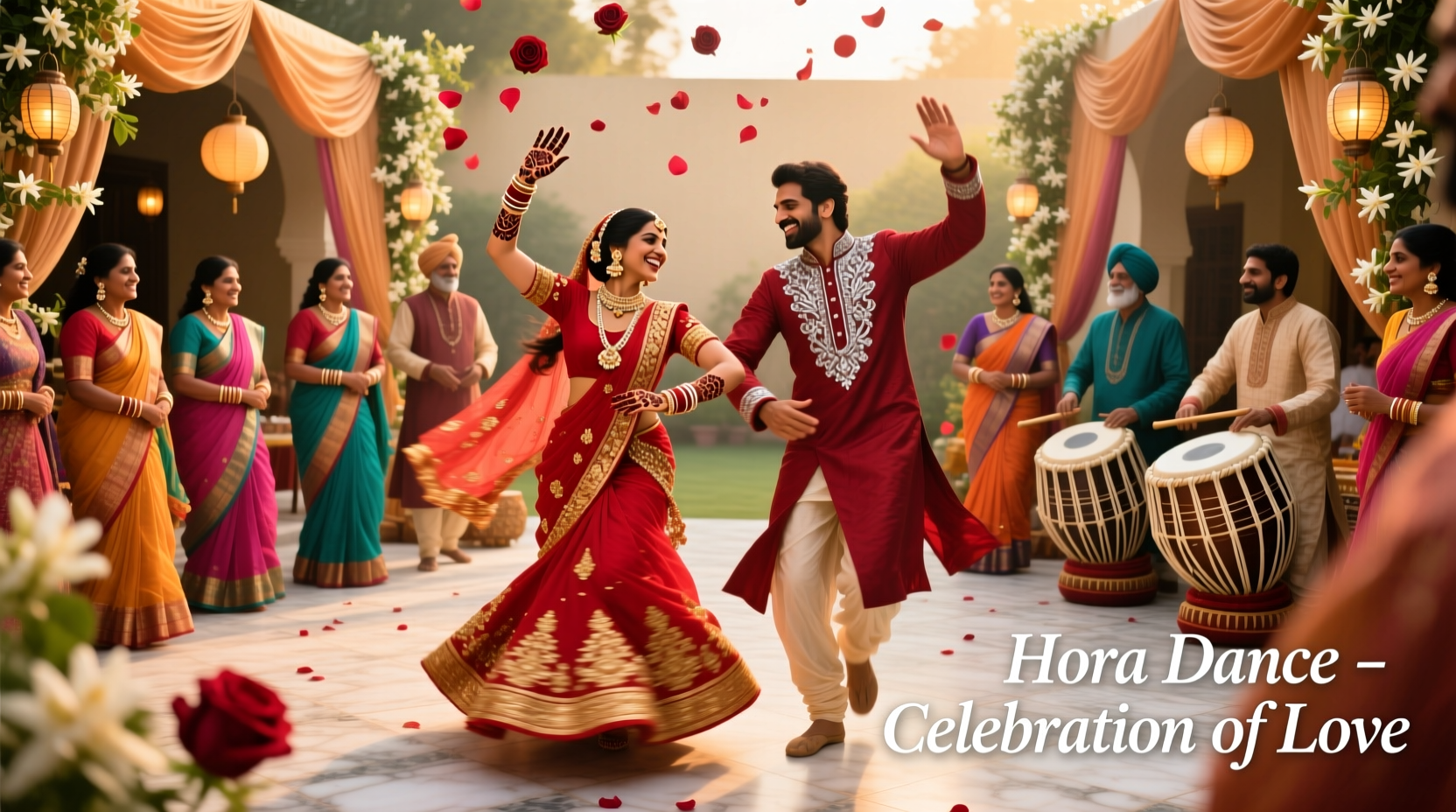
The hora dance at a wedding is a lively, circular folk dance traditionally performed at Jewish and Eastern European celebrations, symbolizing unity, joy, and community. Often seen during receptions, the hora dance wedding tradition involves guests linking arms and moving in a circle, frequently lifting the newlyweds on chairs in the center. This energetic ritual not only celebrates the couple but also connects generations through music and movement. Whether you're attending a Jewish wedding or incorporating multicultural elements into your own celebration, understanding how the hora dance works, its etiquette, and how to prepare for it ensures a meaningful and inclusive experience for everyone involved.
Origins and Cultural Significance of the Hora Dance
The hora has deep roots in Eastern European folk traditions, particularly among Romanian, Bulgarian, and Ashkenazi Jewish communities. Originally a rural dance performed during festivals and communal gatherings, the hora evolved into a staple of celebratory events, especially weddings. In Jewish culture, the hora gained widespread popularity in the 20th century, both in diaspora communities and in Israel, where it became associated with national pride and collective joy.
At a wedding, the hora dance tradition is more than entertainment—it's a symbolic act. The circular formation represents eternity, continuity, and the interconnectedness of family and friends. As participants move together in rhythm, often to upbeat klezmer or Israeli folk music like "Hava Nagila," they affirm their support for the couple’s journey ahead. The moment when the bride and groom are lifted on chairs—sometimes repeatedly—is a highlight, signifying honor, elevation, and shared celebration.
While most commonly associated with Jewish nuptials, the hora has been embraced by many cultures as a fun, inclusive group activity. Its adaptability makes it a popular choice even in non-religious or interfaith ceremonies seeking a dynamic, participatory moment.
When and How the Hora Dance Takes Place at Weddings
The wedding hora dance typically occurs during the reception, after dinner and speeches, when energy levels are high and guests are ready to celebrate. It's usually led by the band, DJ, or a designated dance leader who cues the crowd. The sequence often follows this pattern:
- Music Begins: A traditional hora tune such as "Hava Nagila," "Siman Tov," or "Am Yisrael Chai" starts playing.
- Formation: Guests form a large circle, linking arms or holding hands. Sometimes children join the inner circle while adults surround them.
- Couple Enters: The newlyweds are invited into the center, often accompanied by close family members.
- Lifting Ritual: With careful coordination, the couple may be lifted onto sturdy chairs—one person holds each leg and two others support the back. This should only be done with stable furniture and willing participants.
- Dancing Continues: The circle moves counterclockwise (though direction can vary), stepping side-to-side in a simple repeating pattern that’s easy to follow.
- Conclusion: After several minutes, the music slows or ends, and the couple steps down amid cheers and applause.
Some modern weddings incorporate variations, such as having grandparents or parents join the couple in the center or adding choreographed moves. However, keeping the dance accessible remains key—its power lies in mass participation, not performance.
How to Participate in the Hora Dance: Tips for Guests
If you're attending a wedding where a hora dance celebration is planned, here’s how to engage respectfully and joyfully:
- Be Ready to Join In: Unlike some formal dances, the hora invites all ages and abilities. You don’t need dance training—just willingness to move in a circle with others.
- Wear Appropriate Footwear: Since the dance can last 5–10 minutes and involve bouncing or lifting, avoid heels or slippery shoes if possible.
- Respect Personal Boundaries: If someone doesn’t want to be lifted, do not insist. Always ask before assisting with chair lifts.
- Stay in the Circle: Breaking the chain disrupts the flow. If you need to step out, do so discreetly and rejoin when able.
- Follow the Leader: Watch experienced dancers or those near the front. Most hora steps are repetitive: step right, bring left foot to meet it, pause, repeat.
- Clap and Sing Along: Many guests sing lyrics or clap rhythmically. Even if you don’t know the words, enthusiasm counts!
Avoid common missteps like pushing toward the center unless invited, using unstable chairs, or attempting dangerous stunts. Safety and inclusion should guide every decision.
Planning the Hora Dance: Advice for Couples and Planners
If you’re organizing a wedding that includes the traditional hora dance at wedding, thoughtful planning enhances the experience. Consider these actionable steps:
1. Communicate with Your Band or DJ
Ensure they know the correct version of "Hava Nagila" or another preferred hora song. Specify tempo—too fast can cause fatigue; too slow loses energy. Request an intro announcement so guests understand what’s happening.
2. Prepare Safe Equipment
Use strong, armless banquet chairs—not folding chairs with weak frames. Test stability beforehand. Assign trusted ushers or family members to manage the lifting process safely.
4. Include a Brief Explanation
For diverse guest lists, a short verbal cue helps: "Now we’ll do the hora, a joyful circle dance from Jewish tradition. Everyone’s welcome! We’ll lift the couple in the middle."
5. Consider Accessibility
For elderly or mobility-limited guests, offer alternative ways to participate—clapping, singing, or standing nearby. Some couples create a smaller inner circle for immediate family while maintaining an outer ring for others.
6. Capture the Moment
Inform your photographer or videographer about the hora timing. Overhead shots or slow-motion videos of the chair lift make powerful keepsakes.
Common Variations and Modern Twists on the Hora
While the classic hora remains beloved, many couples personalize it. Popular adaptations include:
- Fusion Hora: Blending hora steps with other cultural dances, such as Greek syrtos or Italian tarantella, creating a multicultural medley.
- Choreographed Hora: Adding synchronized moves or transitions, sometimes taught in a quick pre-reception lesson.
- Reverse Hora: Starting with the couple in the center and gradually expanding the circle as more guests join.
- Kids’ Hora: Letting children lead their own version earlier in the evening.
- Non-Lift Hora: For safety or preference, skipping the chair lift entirely while preserving the dance.
These innovations keep the tradition vibrant without losing its essence. The goal is connection, not perfection.
Mistakes to Avoid During the Hora Dance
Even well-intentioned moments can go awry. Here are frequent pitfalls and how to prevent them:
| Mistake | Why It’s Problematic | How to Avoid |
|---|---|---|
| Using flimsy chairs | Risk of collapse and injury | Use commercial-grade banquet chairs; test weight capacity |
| Lifting without consent | Can scare or hurt the couple | Ask first; allow opt-out |
| Overcrowding the center | Loss of balance and visibility | Limit lifters to 4–6 people; assign roles |
| No explanation for guests | Confusion leads to low participation | Announce purpose and steps briefly |
| Playing incorrect music | Breaks cultural authenticity | Verify song selection with officiant or planner |
Hora Dance Etiquette Across Cultures
Though most recognized in Jewish weddings, similar circular dances exist worldwide. Understanding nuances prevents misappropriation and promotes respect:
- Jewish Weddings: The hora is deeply symbolic. Often follows the yichud (private time after ceremony). May include multiple rounds—for parents, siblings, etc.
- Israeli Celebrations: The hora is danced at birthdays, bar mitzvahs, and national holidays. Faster tempo, more acrobatic lifts.
- Romanian & Bulgarian Events: Known as "hora," danced at weddings and village festivals. Men often wear traditional vests and perform intricate footwork.
- Interfaith or Secular Weddings: When adopted outside its origin, context matters. Acknowledge the source culture and invite participation thoughtfully.
If your wedding blends traditions, consult with cultural advisors or elders to ensure respectful execution.
FAQs About the Hora Dance at Weddings
What music is played during the hora dance at a wedding?
The most iconic song is "Hava Nagila," a Hebrew folk tune meaning "Let Us Rejoice." Other popular choices include "Siman Tov U'Mazel Tov," "Am Yisrael Chai," and instrumental klezmer music. Some couples choose modern remixes or fusion tracks that blend traditional melodies with contemporary beats.
Do you have to be Jewish to do the hora dance?
No, the hora dance is not restricted to Jewish individuals. While it originates from Jewish and Eastern European traditions, it is widely enjoyed as a festive group activity. Non-Jewish couples often include it for its energetic vibe and inclusivity, provided it's done respectfully and with awareness of its roots.
How long does the wedding hora dance usually last?
A typical hora lasts between 5 and 10 minutes. The duration depends on the couple’s preference, guest energy, and musical arrangement. Some bands play one full cycle; others extend it with repeats or modulations to maintain momentum.
Can older or disabled guests participate in the hora?
Absolutely. Participation doesn’t require dancing. Guests can stand in the circle, clap, sing, or hold hands. Chairs can be placed around the perimeter for those who wish to remain seated while still feeling included. The spirit of the hora is community, not physical ability.
Is the chair lift part of the hora mandatory?
No, lifting the couple on chairs is optional. Some couples skip it due to fear of heights, health concerns, or personal preference. The dance itself is the core element. Alternatives include raising hands overhead, waving scarves, or simply dancing together in the center.





 浙公网安备
33010002000092号
浙公网安备
33010002000092号 浙B2-20120091-4