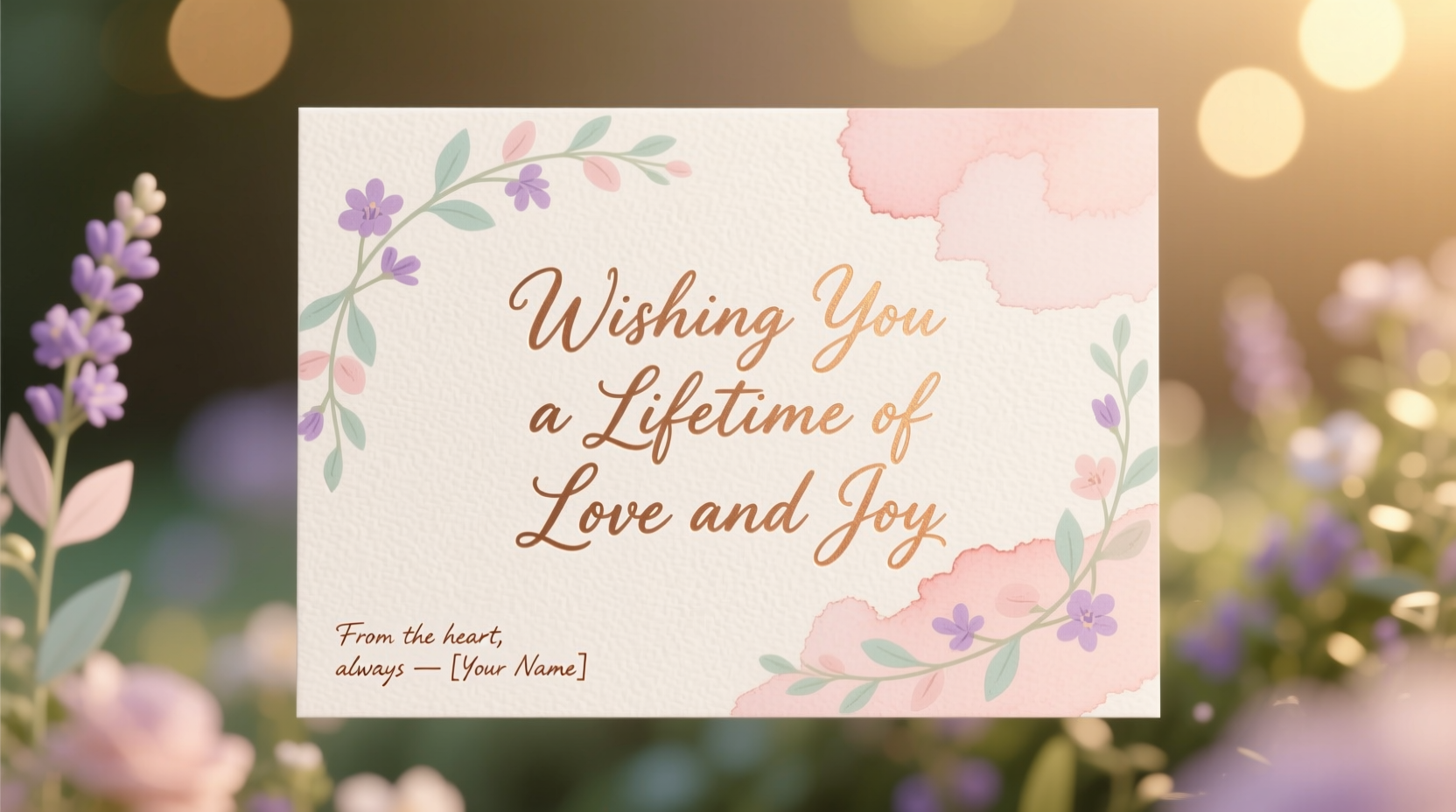
When it comes to expressing your joy and best wishes for a newly married couple, knowing what to write in a wedding card can make all the difference. A well-crafted message not only celebrates the occasion but also becomes a cherished keepsake. Whether you're a close friend, family member, or distant relative, choosing heartfelt words that reflect your relationship with the couple is essential. The key is to combine sincerity with personal touchesâmention shared memories, express hopes for their future, and keep the tone warm and authentic. This guide will walk you through everything from traditional phrases to modern sentiments, ensuring your note stands out in any wedding guest book.
Understanding the Purpose of a Wedding Card Message
A wedding card is more than just a formalityâit's an opportunity to connect emotionally with the couple on one of the most significant days of their lives. Unlike verbal congratulations, which may be fleeting, written messages are often saved, reread, and even passed down through generations. Thatâs why thoughtful content matters. Your words should convey genuine emotion while respecting the tone of the event.
Many guests struggle with finding the right balance between being too formal and overly casual. To help, consider these core purposes when crafting your message:
- Celebration: Acknowledge the joy of the day and the union of two people.
- Personal Connection: Share a brief memory or insight that shows your bond with the couple. \li>Blessing for the Future: Offer well-wishes for their life together, including love, happiness, and resilience.
- Validation: Reinforce that their love is seen, appreciated, and supported by those around them.
How to Structure Your Wedding Card Message
Even if youâre unsure where to begin, using a simple three-part structure can guide your writing process effectively. This framework ensures clarity, warmth, and completeness without sounding repetitive or generic.
- Opening Greeting: Start with a warm salutation such as âDear [Coupleâs Names],â âTo the Happy Couple,â or âCongratulations, [Bride & Groom]!â
- Body Paragraph(s): Share your feelings, a personal anecdote, or a reflection on their relationship. This is where your voice shines.
- Closing Sentiment: End with a forward-looking wish or blessing, followed by your name(s).
Hereâs an example:
Dear Sarah and James,
It was such a joy to witness your beautiful ceremony today. Iâll never forget the way you both smiled during your vowsâit reminded me how powerful true love can be. Watching your journey from first dates to this perfect day has been inspiring. May your marriage be filled with laughter, deep understanding, and endless adventures together.
With all my love,
Emily
Tips for Writing a Meaningful and Memorable Message
While thereâs no single 'right' way to write in a wedding card, following proven tips can elevate your message from ordinary to unforgettable.
- Be Specific: Instead of saying âYouâre perfect together,â say something like, âThe way you support each other through challenges shows how strong your bond truly is.â
- Keep It Concise: Most cards have limited space. Aim for 3â5 sentences unless youâre very close to the couple.
- Avoid Clichés When Possible: Phrases like âlove at first sightâ or âmeant to beâ are overused. Try fresher language that reflects real observations.
- Match the Coupleâs Tone: If they had a playful, informal wedding, humor might work. For formal events, lean toward elegance and sincerity.
- Handwrite Whenever Possible: A handwritten note feels more personal than typed text, even if printed neatly.
- Proofread Before Signing: Check spelling, grammar, and namesâespecially if including nicknames or titles.
Different Types of Relationships Call for Different Messages
Your connection to the couple influences both the tone and depth of your message. Hereâs how to tailor your note based on your role:
| Relationship | Message Style | Example Phrase |
|---|---|---|
| Close Friend | Warm, nostalgic, possibly humorous | âI still remember your awkward first dateâI knew then you were meant to be!â |
| Family Member | Emotional, proud, reflective | âSeeing you start this chapter fills my heart with so much hope.â |
| Coworker/Acquaintance | Polite, respectful, concise | âWishing you a lifetime of happiness and partnership.â |
| Wedding Party Member | Deeply personal, celebratory | âStanding beside you today wasnât just an honorâit was a promise of lifelong friendship.â |
| Parent of Bride/Groom | Heartfelt, emotional, proud | âWatching you grow into the person who found such love makes me endlessly proud.â |
Common Mistakes to Avoid When Writing a Wedding Card
Even well-intentioned messages can fall flat due to common pitfalls. Being aware of these can prevent unintended offense or awkwardness.
- Overusing Quotes or Poems: While a short quote can enhance your message, filling the entire card with someone elseâs words diminishes authenticity.
- Making It About You: Avoid long stories about your own marriage or past relationships unless directly relevant and uplifting.
- Being Too Casual or Joking: Inside jokes or sarcasm may not land well, especially in front of extended family.
- Forgetting to Sign Your Name: Especially important if the couple doesnât know all guests personally.
- Leaving It Blank Until the Last Minute: Rushed notes often lack thoughtfulness. Prepare ahead of time.
- Using Inappropriate Language: Steer clear of references to divorce, financial struggles, or sex jokesâeven if meant playfully.
Ideas for What to Write Based on Different Scenarios
Sometimes inspiration strikes easiest through examples. Below are tailored suggestions depending on context.
If Youâve Known the Couple for Years
Highlight growth and milestones: âFrom late-night talks to weekend road trips, Iâve watched your love evolve into something truly special. Today felt like the natural next step in a story Iâve loved watching unfold.â
If You Just Met One Partner
Focus on positivity: âThough weâve only recently met, I can already see how much joy you bring to [Partnerâs Name]. Welcome to the family!â
If the Couple Had a Long Engagement or Faced Challenges
Acknowledge perseverance: âYour patience and commitment through every twist proved that real love lasts. Cheers to a future built on strength and trust.â
If Youâre Writing as a Couple (e.g., Married Friends)
Share solidarity: âAs fellow partners navigating life together, weâre inspired by your kindness, teamwork, and obvious devotion. May your years ahead overflow with moments just as beautiful as today.â
If Youâre Sending a Card Without Attending the Wedding
Apologize briefly and emphasize support: âIâm so sorry I couldnât be there in person, but please know I was celebrating you both in spirit. Wishing you every happiness as you begin this incredible journey.â
Can You Use a Pre-Written Message? (And When Itâs Okay)
Many stores sell cards with pre-printed sentimentsâand thatâs perfectly fine. However, adding even one personalized sentence transforms a generic greeting into something meaningful. For instance:
âSo happy for you both! â And Iâll never forget dancing with you at your engagement party. Canât wait to celebrate many more memories!â
The blend of printed and handwritten creates balance: professionalism meets personality.
Cultural and Religious Considerations
In multicultural or interfaith weddings, language choices matter. Some traditions value modesty in public expressions of affection, while others embrace poetic declarations. When in doubt:
- Research basic customs if the couple follows specific religious practices.
- Avoid assumptions about gender roles or family expectations.
- When referencing faith, use inclusive terms unless invited to do otherwise (e.g., âblessingsâ instead of âGodâs planâ).
- If attending a non-English speaking ceremony, a simple message in English is acceptableâbut a translated phrase like âCongrats!â or âLove Alwaysâ adds charm.
Alternatives to Traditional Wedding Cards
Some couples now opt for digital guest books, video messages, or interactive kiosks. While these are modern conveniences, a physical card remains timeless. If submitting digitally:
- Ensure your message is clearly attributed (include full name).
- Maintain the same level of care as a handwritten note.
- Consider sending a separate card by mail for added sentiment.
Final Checklist Before Submitting Your Wedding Card
Before placing your card in the basket or mailing it, run through this quick verification list:
- â Did I address both partners by name?
- â Is the message sincere and appropriate for the audience?
- â Have I avoided controversial topics or inside jokes?
- â Is my handwriting legible (if applicable)?
- â Did I sign my name clearly?
- â Does the message align with the coupleâs values and wedding style?
Frequently Asked Questions (FAQs)
What if I donât know what to say in a wedding card?
Start with simple gratitude: âThank you for sharing your special day with me. Wishing you both a lifetime of love and happiness.â Authenticity trumps eloquence.
Should I mention gifts in the card?
No. Never reference gifts, money, or registry items in your message. The focus should remain solely on the couple and their union.
Can I include Bible verses or religious quotes?
Only if youâre certain the couple shares your beliefs. Otherwise, choose universal themes like love, commitment, and joy.
Is it okay to write a funny message?
Yesâif youâre close and know they appreciate humor. Keep it light and kind, avoiding anything embarrassing or suggestive.
How soon should I send a wedding card?
Ideally within two weeks after the wedding. If delayed, still send itâbetter late than never, especially if accompanied by a note acknowledging the delay.





 浙公网安备
33010002000092号
浙公网安备
33010002000092号 浙B2-20120091-4