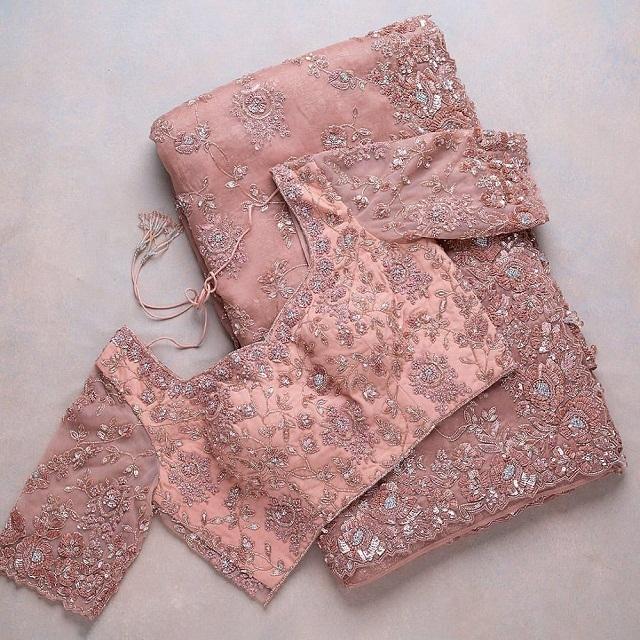
When learning how to choose a saari, focus on fabric, drape, occasion, and personal comfort. For everyday wear, cotton or linen saaris offer breathability and ease, while silk or designer blends suit formal events 1. If you're new to draping, consider pre-stitched or ready-to-wear styles that simplify styling without compromising elegance. The right saari balances tradition, function, and individual expression—prioritize quality stitching, colorfast dyes, and a pallu that holds its shape. Understanding your lifestyle needs ensures long-term satisfaction with your purchase.
About Saari
The saari (also spelled sari) is a traditional South Asian garment consisting of a single, unstitched cloth, typically five to nine meters long, draped elegantly around the body with one end over the shoulder as a pallu. It is worn by women across India, Bangladesh, Sri Lanka, Nepal, and among diaspora communities worldwide. While styles of draping vary regionally—such as the Nivi drape from Andhra Pradesh, the Bengali style, or the Gujarati fold—the essence remains consistent: grace, versatility, and cultural significance.
Saaris are used in both daily life and ceremonial contexts. Daily-wear versions often use lightweight, washable fabrics like cotton or georgette, whereas bridal or festival saris may feature rich silks such as Banarasi, Kanjeevaram, or Paithani, embellished with zari (metallic thread), embroidery, or stone work 2.
Why Saari Is Gaining Popularity
In recent years, the saari has seen a resurgence beyond traditional settings. Global fashion trends increasingly embrace sustainable, zero-waste garments, and the unstitched nature of the saari aligns well with these values. Designers are reimagining the classic drape with modern cuts, fusion blouses, and Indo-western ensembles, making it accessible to younger generations and international audiences.
Celebrities and influencers have also contributed to the saari’s rising appeal. From red carpet appearances to editorial spreads, the garment is celebrated for its elegance and adaptability. Moreover, growing interest in cultural heritage and slow fashion has prompted consumers to invest in timeless pieces rather than fast-fashion alternatives. This shift supports artisanal weavers and handloom industries, adding ethical weight to the purchase decision when choosing a saari.
Types and Variants
Saaris come in numerous regional styles, each defined by fabric, weave, and decorative technique. Knowing the differences helps buyers select based on purpose, climate, and aesthetic preference.
Cotton Saari
Ideal for daily wear, especially in hot climates. Lightweight and breathable, cotton saaris are easy to maintain and comfortable for extended use.
- Pros: Affordable, machine-washable, eco-friendly, available in block prints and handloom weaves.
- Cons: Wrinkles easily; may lack sheen compared to silk.
Silk Saari (e.g., Banarasi, Kanjeevaram)
Luxurious and heavy, often chosen for weddings and festivals. These saaris feature intricate brocade work and metallic threads.
- Pros: Durable, prestigious appearance, excellent drape.
- Cons: Expensive, requires dry cleaning, can be heavy to wear for long periods.
Georgette and Chiffon Saaris
Popular for contemporary and party wear. These synthetic or semi-synthetic fabrics drape fluidly and accept vibrant digital prints.
- Pros: Light, flowy, wrinkle-resistant, ideal for pre-draped styles.
- Cons: Less durable than natural fibers; prone to snags.
Designer and Embellished Saaris
Feature sequins, beads, embroidery, or appliqués. Often custom-made for special occasions.
- Pros: Unique, statement-making, photogenic.
- Cons: High cost, delicate care requirements, limited wearability.
Pre-Stitched and Dhoti-style Saaris
Modern innovations that simplify wearing. Pre-stitched saaris have fixed pleats or skirts, while dhoti-style versions resemble pants paired with a drape.
- Pros: Easy to wear, time-saving, beginner-friendly.
- Cons: Less customizable fit, may not convey traditional authenticity.
Key Features and Specifications to Evaluate
When deciding what to look for in a saari, assess the following elements carefully:
- Fabric Composition: Check labels for fiber content. Natural fibers (cotton, silk, wool) offer better breathability but may require more care. Synthetics (polyester, nylon) are durable and affordable but less breathable.
- Weave Quality: Examine the tightness of the weave. A high thread count indicates durability and smooth texture. Handloom saaris often have slight irregularities, which signify authenticity.
- Dye Fastness: To test color retention, lightly rub a damp white cloth on the fabric. Bleeding indicates poor dye quality.
- Pallu Detailing: The pallu (decorative end piece) should be well-finished with no loose threads. In heavy saris, ensure the pallu isn’t overly weighted, which can cause discomfort.
- Blouse Compatibility: Consider whether a matching blouse is included or must be purchased separately. Some saaris come with fabric for a custom blouse.
- Weight: Measured in grams per square meter (GSM). Lighter saaris (under 600 GSM) suit daily wear; heavier ones (above 800 GSM) are for ceremonies.
Pros and Cons
The saari offers unmatched elegance and cultural richness, but it’s not always practical for every situation.
Pros:
- Versatile across occasions and body types.
- Promotes sustainability due to minimal cutting/sewing.
- Supports local artisans and handloom economies.
- Timeless design transcends fashion cycles.
Cons:
- Learning curve for draping correctly.
- Some styles require professional cleaning.
- Bulky to store and travel with.
- Potential for wardrobe malfunctions if not pinned securely.
A saari is best suited for those who value tradition, craftsmanship, and graceful aesthetics. It may not be ideal for highly active lifestyles or environments requiring quick changes.
How to Choose Saari
Follow this step-by-step guide to make a confident purchase:
- Determine the Occasion: Is it for daily wear, office, wedding, or festival? Match fabric and style accordingly.
- Assess Climate: Opt for cotton or linen in humid regions; silk or velvet in cooler areas.
- Know Your Size: While the cloth length is standard (~5.5m), the petticoat (underskirt) size matters. Measure waist and hip circumference accurately.
- Choose Draping Style: Beginners may prefer pre-stitched or drape-free styles. Traditional wearers can explore regional folds.
- Inspect Craftsmanship: Look for even borders, secure pallu finishes, and consistent patterns. Avoid visible knots or uneven printing.
- Check Return Policy: Especially when buying online, verify if returns are accepted for unused items.
- Evaluate Blouse Options: Decide if you want a stitched blouse, fabric included, or plan to pair with an existing one.
- Set a Realistic Budget: Prices range widely; define your limit before browsing.
Red Flags to Avoid:
- Unrealistically low prices for 'handloom' or 'pure silk' claims—verify authenticity.
- Vague product descriptions lacking fabric details.
- No photos showing reverse side or close-ups of workmanship.
- Sellers refusing to provide certifications (e.g., Silk Mark, Handloom Mark).
Price & Market Insights
Saari pricing varies significantly based on material, origin, and labor intensity.
- Budget Tier ($10–$50): Polyester or blended georgette saaris, often mass-produced with printed designs. Suitable for casual or experimental wear.
- Mid-Range ($50–$200): Includes handloom cotton, chiffon, or semi-silk blends. May feature authentic regional weaves like Chanderi or Maheshwari.
- Premium ($200–$1,000+): Pure silk saris (Kanjeevaram, Banarasi) with zari work, often handcrafted. Investment pieces passed down generations.
Value-for-money options exist in certified handloom cooperatives or government emporiums, where fair wages support weavers directly. Online platforms like Amazon India, Jaypore, or Utsav Fashion offer filters for price, fabric, and region, aiding comparison.
| Brand/Type | Fabric | Avg. Price (USD) | Best For |
|---|---|---|---|
| Kanchipuram Pure Silk | 100% Mulberry Silk | $300–$800 | Weddings, Heirlooms |
| Banarasi Brocade | Silk + Zari | $200–$600 | Festivals, Formal Events |
| Khadi Cotton | Handspun Cotton | $30–$80 | Daily Wear, Eco-conscious Buyers |
| Ready-to-Wear Sari | Georgette/Polyester | $25–$60 | Beginners, Travel |
Customer Feedback Synthesis
Analysis of buyer reviews across e-commerce sites reveals common themes:
Positive Feedback:
- Appreciation for authentic handloom textures and unique regional designs.
- Praise for pre-stitched models that save time and ensure consistency.
- Satisfaction with vibrant, long-lasting colors in high-quality dyes.
- Compliments received when wearing elaborate silk or embroidered pieces.
Common Complaints:
- Discrepancies between online images and actual color or fabric sheen.
- Poor stitching or fraying edges in lower-priced items.
- Lack of transparency about whether the blouse piece is included.
- Difficulty returning bulky items due to shipping costs.
Sourcing & Supplier Tips
Whether buying retail or in bulk, consider these sourcing strategies:
- Local Markets: Visit textile hubs like Varanasi (silk), Kanchipuram (Tamil Nadu), or Shantiniketan (Bengal) for direct access to weavers.
- Online Platforms: Use filters for 'authentic handloom' or 'Silk Mark certified'. Read seller ratings and return policies carefully.
- Bulk Purchasing: Ideal for event planners or boutiques. Negotiate with cooperatives or export houses for volume discounts.
- Verification: Request certification for silk or handloom claims. Ask for video confirmation of fabric movement before large orders.
- Shipping & Customs: International buyers should confirm duties and import rules, especially for antique or handcrafted textiles.
Maintenance, Safety & Legal Considerations
Proper care extends a saari’s lifespan:
- Storage: Fold neatly with tissue paper to prevent creasing. Store in cotton bags, not plastic, to avoid moisture buildup.
- Cleaning: Dry clean silk and heavily embellished saaris. Hand wash cotton and linen in cold water with mild detergent.
- Ironing: Use low heat for synthetics; steam silk with a protective cloth. Reverse iron printed borders to preserve design.
- Safety: Avoid wearing trailing pallus near open flames or machinery. Secure pins discreetly to prevent injury.
- Legal Notes: Some traditional designs (e.g., Mysore Silk) are protected under Geographical Indication (GI) tags. Ensure sellers comply with labeling laws when marketing such products.
Conclusion
Choosing the right saari involves balancing personal taste, practicality, and cultural appreciation. Whether you're exploring how to choose a saari for the first time or adding to a curated collection, prioritize fabric quality, intended use, and ethical sourcing. From breathable cottons for everyday elegance to opulent silks for milestone moments, the saari remains a symbol of enduring beauty and craftsmanship. By evaluating key features, understanding market options, and respecting care requirements, buyers can make informed decisions that honor both tradition and individuality.
FAQs
Q: How do I know if a saari is made of pure silk?
A: Look for a Silk Mark label or conduct a burn test (silk burns slowly and smells like hair). Certifications from recognized bodies increase authenticity.
Q: Can I wear a saari to a Western formal event?
A: Yes, especially in silk or elegant georgette with a modern blouse. Pair with minimalist jewelry for a sophisticated look.
Q: What length should a saari be?
A: Standard is 5.5 meters, including fall and pallu. Taller individuals may prefer 6-meter lengths for adequate coverage.
Q: Are pre-stitched saaris considered traditional?
A: They deviate from classical draping but are accepted as modern adaptations, especially for convenience and accessibility.
Q: How can I prevent my saari from slipping?
A: Use silicone grip belts, safety pins at key points, and a well-fitted petticoat. Practice draping beforehand to ensure stability.





 浙公网安备
33010002000092号
浙公网安备
33010002000092号 浙B2-20120091-4