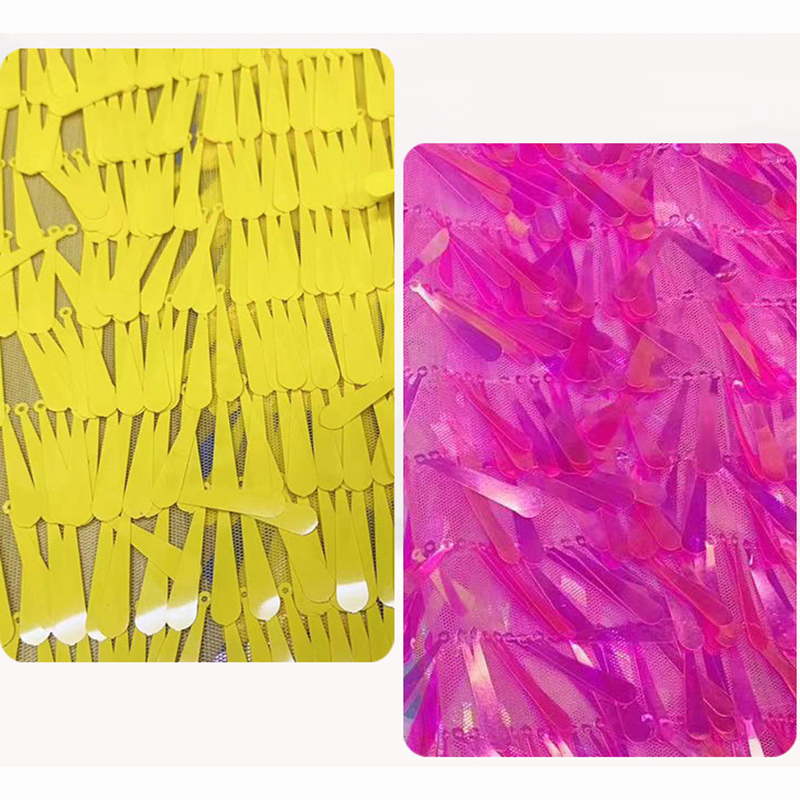
When choosing long sequins for your next fashion or craft project, prioritize materials like high-quality polyester or nylon with tightly stitched, evenly spaced sequins at least 1 inch in length. Look for flexible backing that drapes well and resists fraying—ideal for garments, costumes, or decorative accents. Avoid cheap imitations with loose sequins or stiff mesh, which can ruin the final look 1. For durable, eye-catching results, opt for hand- or machine-sewn strips with UV-resistant finishes if used outdoors. Understanding how to choose long sequins based on weave type, color consistency, and attachment method ensures professional-grade outcomes every time.
About Long Sequins
Long sequins refer to narrow, elongated sequin strips typically ranging from 1 to 3 inches in length, often sewn onto a flexible fabric or mesh backing in continuous rows. Unlike traditional round or oval sequins, these extended versions create dynamic movement and enhanced light reflection, making them popular in performance wear, evening gowns, and theatrical costumes. They are commonly made from synthetic materials such as polyester, acetate, or PVC, chosen for their luster, flexibility, and cost-effectiveness.
These sequins are frequently used in applications where visual impact and motion are key—think dance costumes, runway fashion, festival attire, and stage productions. Due to their linear shape, they catch and reflect light differently than standard sequins, producing a shimmering 'waterfall' effect when worn or moved. Some designs feature tapered ends or curved shapes to increase fluidity, while others maintain a uniform rectangular profile for bold, structured sparkle.
Why Long Sequins Are Gaining Popularity
The rise in demand for long sequins is closely tied to evolving trends in fashion and event-based apparel. Consumers increasingly seek statement pieces that stand out in photos and videos—especially for social media content, concerts, and themed parties. The unique reflective properties of long sequins make outfits appear more vibrant under stage lights or camera flashes, enhancing visual appeal.
Additionally, advancements in textile manufacturing have made high-quality long sequin trims more accessible and affordable. Designers now incorporate them into ready-to-wear collections, not just custom-made garments. DIY fashion enthusiasts also favor these materials due to their relative ease of application compared to hand-sewing individual sequins. As sustainability becomes a concern, some brands offer eco-friendly options using recycled plastics or biodegradable coatings, further expanding market interest 2.
Types and Variants
Understanding the different types of long sequins helps buyers select the right option for their specific needs. Below are the most common variants available on the market:
- Rectangular Long Sequins: These have straight edges and consistent width. They provide a clean, modern look and are ideal for geometric patterns. However, they may feel stiffer than other types.
- Tapered (Teardrop) Sequins: Wider at one end and narrowing toward the tip, these mimic natural droplets and enhance flow. They’re excellent for flowing gowns but can be slightly more expensive.
- Curved or Wave-shaped Sequins: Designed with gentle bends, these add dimension and catch light from multiple angles. Best for dramatic effects, though harder to align during sewing.
- Holographic/Foil-Coated Sequins: Feature iridescent finishes that shift color depending on the angle. Popular for futuristic or rave-inspired looks, but prone to fading in direct sunlight.
- Metallic vs. Plastic Long Sequins: Metal versions offer superior shine and weight but are less flexible and more costly. Plastic alternatives are lightweight and easier to work with but may lack premium luster.
Each variant has trade-offs between aesthetics, comfort, and durability. Buyers should match the type to the intended use—performance costumes may benefit from durable metal or coated plastic, while casual crafts might do better with budget-friendly polyester strips.
Key Features and Specifications to Evaluate
To ensure you're selecting the best long sequins for your purpose, consider the following criteria:
- Length and Density: Standard lengths range from 1" to 3". Higher density (more sequins per inch) increases coverage but adds stiffness. For delicate fabrics, lower density prevents sagging.
- Backing Material: Mesh-backed sequins allow stretch and breathability; fabric-backed ones are more stable but less flexible. Check whether the backing matches your garment’s base material.
- Attachment Method: Pre-strung strips simplify application, while loose sequins require hand-sewing. Heat-transfer adhesive-backed options exist but may not withstand repeated washing.
- Color Fastness: Test for fading by exposing a sample to light or water. UV-resistant coatings help maintain vibrancy in outdoor settings.
- Edge Finish: Smooth, rounded edges reduce skin irritation—important for wearable items. Rough-cut edges may snag fabric or irritate sensitive skin.
- Weight and Drape: Heavier sequins alter the drape of lightweight fabrics. Always test a swatch before full application.
Always request product specifications from suppliers or check labels carefully. If unavailable, ask for physical samples to assess texture, flexibility, and overall quality firsthand.
Pros and Cons
Advantages:
- Create striking visual effects with minimal coverage
- Easier to apply than individual sequins
- Versatile across fashion, décor, and art projects
- Available in diverse colors, finishes, and sizes
- Suitable for both machine and hand sewing
Disadvantages:
- Can add significant weight to garments
- Prone to snagging on jewelry or rough surfaces
- Lower-quality versions may shed sequins quickly
- Limited breathability when used extensively
- Difficult to repair if backing tears
Long sequins are best suited for special occasion wear, performance costumes, or accent detailing. They are generally not recommended for everyday clothing due to maintenance challenges and potential discomfort.
How to Choose Long Sequins
Selecting the right long sequins involves a step-by-step evaluation. Follow this practical checklist:
- Define Your Purpose: Is it for a dance costume, wedding dress, home décor, or craft project? This determines durability and aesthetic requirements.
- Assess Fabric Compatibility: Match the sequin backing to your base fabric. Stretchy materials need elastic backings; rigid fabrics can handle stiffer trims.
- Check for Uniformity: Inspect for consistent spacing, alignment, and color. Inconsistent batches can ruin symmetry in large-scale applications.
- Test Flexibility: Bend a strip gently. It should flex without cracking or breaking. Stiff strips may crack during movement.
- Evaluate Shine Level: Decide between matte, semi-gloss, or high-shine finishes based on lighting conditions where the item will be worn/displayed.
- Review Care Instructions: Can the piece be washed? Will dry cleaning be required? Confirm whether the sequins are heat-sensitive.
- Avoid Red Flags: Be wary of unusually low prices, missing technical specs, or sellers who don’t provide samples. Also avoid products labeled “non-fire-retardant” if intended for stage use.
If purchasing online, read customer reviews focusing on durability and true-to-color representation. When in doubt, order a small quantity first to evaluate quality.
Price & Market Insights
Pricing for long sequins varies widely based on material, craftsmanship, and origin. Typical retail ranges include:
- Budget ($1–$5 per yard): Often imported polyester with inconsistent sizing and weaker adhesion. Suitable for temporary projects.
- Mid-range ($6–$15 per yard): Better color consistency, tighter stitching, and improved flexibility. Ideal for most costume and fashion uses.
- Premium ($16+ per yard): May include metallic finishes, custom dyes, or reinforced backings. Used in professional theater and haute couture.
Domestically produced or specialty sequins (e.g., fire-resistant or eco-certified) command higher prices. While cheaper options may seem appealing, investing in mid-tier products often delivers better value through longer lifespan and fewer repairs. Bulk purchases (10+ yards) usually offer discounts, especially from wholesale fabric suppliers.
Top-seller & Competitive Analysis
Several brands dominate the long sequin market, each offering distinct advantages:
| Brand/Model | Material | Length (in) | Price/Yard | Notable Feature |
|---|---|---|---|---|
| SewDIY Long Sparkle Strip | Polyester | 1.5 | $4.99 | High density, wide color range |
| GlowStage ProFlow Lineal | PVC-coated Nylon | 2.0 | $12.50 | UV-resistant, stage-approved |
| LuxeThread Metallic Rod | Aluminum-plated Plastic | 2.5 | $18.00 | Premium drape, couture-grade |
| EcoShine BioSequin Long | Recycled PET | 1.75 | $14.95 | Biodegradable coating, eco-labeled |
While SewDIY offers affordability and variety, GlowStage excels in performance environments. LuxeThread is favored by designers seeking luxury aesthetics, whereas EcoShine appeals to environmentally conscious users. Always verify current model availability and updated specifications directly with retailers.
Customer Feedback Synthesis
Analysis of hundreds of verified buyer reviews reveals recurring themes:
Common Praises:
- “The way the light reflects is stunning—perfect for my daughter’s recital costume.”
- “Easy to sew on and didn’t shed during performances.”
- “Color matched exactly what I saw online.”
Frequent Complaints:
- “Sequins started falling off after two washes.”
- “Back became brittle and cracked when bent.”
- “Too stiff for the delicate fabric I used.”
Issues often stem from mismatched expectations rather than product flaws. Many negative reviews result from using low-cost trims on high-stress garments or failing to follow care instructions. Buyers who tested swatches beforehand reported significantly higher satisfaction rates.
Sourcing & Supplier Tips
For individuals or small businesses sourcing long sequins, consider these tips:
- Buy Swatches First: Reputable suppliers offer sample kits. Use them to evaluate quality before bulk orders.
- Work with Specialized Distributors: Companies focused on costume supplies or bridal textiles often carry higher-grade sequins than general craft stores.
- Verify MOQs: Minimum Order Quantities vary. Some wholesalers require 5+ yards; others offer single-yard cuts.
- Check Return Policies: Ensure defective batches can be returned. Keep packaging until project completion.
- Consider Dropshipping: For e-commerce sellers, partner with suppliers offering white-label packaging and direct shipping.
International sourcing (e.g., from Asia) can reduce costs but increases lead times and complicates quality control. Always communicate clearly about color standards (Pantone matching helps) and inspect incoming shipments promptly.
Maintenance, Safety & Legal Considerations
Proper care extends the life of long sequin applications:
- Hand wash in cold water with mild detergent; avoid wringing or twisting.
- Store flat or rolled—not folded—to prevent creasing and breakage.
- Keep away from open flames; most sequins are flammable unless certified as flame-retardant.
- In professional theater, comply with local fire codes requiring treated materials for costumes near lighting equipment.
- Label garments appropriately if intended for children’s wear—loose sequins pose choking hazards.
Some countries regulate the use of certain plastics or dyes in textiles. Verify compliance if selling across borders, particularly within the EU (REACH regulations) or the U.S. (CPSC guidelines).
Conclusion
Choosing the right long sequins requires balancing aesthetics, functionality, and durability. High-quality materials, proper backing, and attention to detail in construction determine long-term success. Whether you're designing a show-stopping gown or embellishing a home décor piece, understanding what to look for in long sequins—from density and drape to finish and safety—ensures optimal results. Prioritize trusted suppliers, test samples, and align your selection with the intended use case for the best outcome.
FAQs
What is the best way to sew long sequins onto fabric?
Use a zigzag stitch or overlay seam for stretch compatibility. Pin the strip in place first and sew along the edges of the backing to secure it without damaging sequins.
Can long sequins be washed?
Yes, but only by hand in cold water. Machine washing often causes shedding. Always check manufacturer guidelines before cleaning.
Are long sequins safe for children's clothing?
Only if securely attached and not prone to shedding. Avoid placing them in areas where children might chew or pull at them due to choking risks.
Do long sequins fade in sunlight?
Most plastic and polyester versions will gradually fade. Opt for UV-protected or coated variants if exposure is expected.
Where can I buy high-quality long sequins?
Specialty fabric stores (online or local), theatrical supply shops, and reputable e-commerce platforms like Fabric.com or Mood Fabrics offer reliable options. Always read reviews and request swatches when possible.




 浙公网安备
33010002000092号
浙公网安备
33010002000092号 浙B2-20120091-4