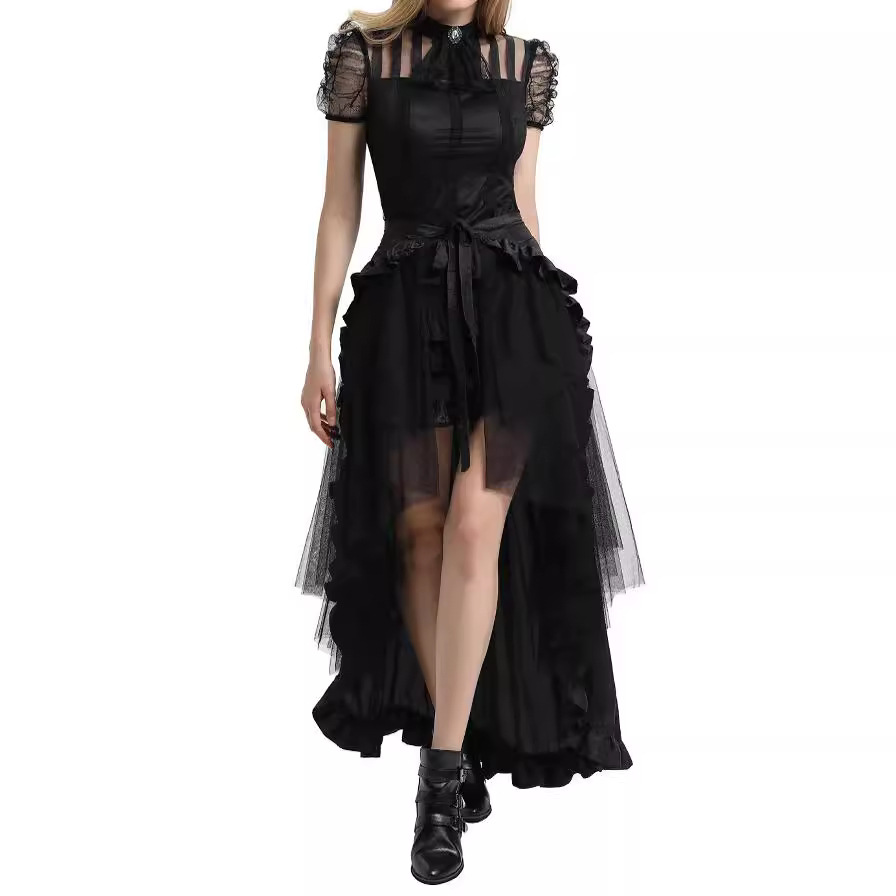
When learning how to choose a bustle for a wedding dress, the key is matching the right type to your gown’s fabric, cut, and train length. For most formal ballgowns or A-line dresses with long trains, a French (or under-bustle) style offers secure, invisible support 1. If you're wearing a cathedral-length veil or lightweight fabric, consider a simpler over-bustle. Understanding what to look for in a bustle—such as attachment method, durability, and seamstress expertise—is essential before making a decision.
About Bustle
A bustle is a system of hooks, ribbons, buttons, or clasps used to lift and secure the train of a wedding dress during the reception or after the ceremony. It allows brides to move freely without tripping, dancing safely, and preserving the integrity of delicate fabrics. While not all gowns require one, those with extended trains—especially cathedral or chapel lengths—benefit significantly from having a properly fitted bustle.
Bustles are typically added by a professional seamstress during alterations. They can be temporary (attached just for the event) or permanent (sewn into the dress). The choice depends on the design of the dress, frequency of wear, and personal preference. Common materials involved include satin ribbons, metal clips, reinforced thread, and fabric loops—all designed to bear weight without damaging the garment.
Why Bustle Is Gaining Popularity
The growing popularity of elaborate wedding gowns with dramatic trains has increased demand for reliable bustle solutions. Modern bridal fashion emphasizes both elegance and functionality. Brides today want to enjoy their entire wedding day comfortably, which includes dancing, walking outdoors, and interacting with guests—all while keeping their dress clean and intact.
Social media and wedding photography trends also play a role. Photographers often recommend bustling the dress post-ceremony to capture cleaner reception shots. Additionally, venues like barns, beaches, or gardens increase the risk of soiling, making bustles more than just aesthetic—they’re practical necessities 2.
Another factor driving interest in how to choose bustle options is customization. Many brides now work closely with designers and tailors to create seamless, nearly invisible bustles that maintain the original silhouette of the gown.
Types and Variants
Different styles of bustles suit different types of dresses. Here are the most common variants:
1. American Bustle (Over-Bustle)
- How it works: The train is pinned up from the top, creating layers that fan outward above the waistline.
- Best for: Full skirts, tulle overlays, or dresses where visibility of the bustle isn’t a concern.
- Pros: Easy to execute; requires minimal alteration; good for lightweight fabrics.
- Cons: Can look bulky; less elegant than hidden styles; may shift during movement.
2. French Bustle (Under-Bustle)
- How it works: The fabric is folded beneath the dress and secured with hooks or ribbons, creating a smooth, lifted appearance.
- Best for: Ballgowns, heavy silk satins, or structured gowns where clean lines matter.
- Pros: Nearly invisible when done well; maintains shape; ideal for formal events.
- Cons: Requires precise tailoring; harder to adjust on-site; not suitable for very thin or stretchy materials.
3. Combination Bustle
- How it works: Uses elements of both American and French styles—often securing the lower layer underneath and the upper layer on top.
- Best for: Multi-layered gowns (e.g., lace over tulle).
- Pros: Balances aesthetics and function; accommodates complex designs.
- Cons: More expensive due to labor; needs experienced seamstress.
4. Convertible Bustle
- How it works: Allows multiple positions (e.g., half-bustled, fully-bustled), giving flexibility throughout the night.
- Best for: Long receptions or photo sessions requiring different looks.
- Pros: Versatile; future-proof if re-wearing the dress.
- Cons: Complex installation; higher cost; potential for mechanical failure if poorly made.
Key Features and Specifications to Evaluate
To determine what to look for in a bustle, consider these critical factors:
- Fabric Weight & Structure: Heavier fabrics like brocade or velvet need stronger fasteners (e.g., double hooks or reinforced ribbon). Light tulle or chiffon can use softer ties.
- Train Length: Chapel and cathedral trains almost always require a bustle. Shorter sweep trains may not.
- Attachment Method: Options include sewn-on buttons, metal clasps, hook-and-eye tape, or Velcro. Metal clips offer durability but must be padded to avoid snagging.
- Seam Allowance: Ensure there's enough internal space in the dress seams to hide hardware. Some modern gowns have pre-designed bustle points.
- Adjustability: Look for systems that allow minor adjustments on-site, especially if temperature or humidity might affect fabric drape.
- Invisibility: High-end bustles should not distort the back profile. Ask for mock-ups during fittings.
Pros and Cons
When a Bustle Is Recommended
- You have a long train (chapel length or longer).
- Your venue has stairs, uneven terrain, or outdoor elements.
- You plan to dance or move actively during the reception.
- The dress fabric is delicate or prone to staining.
When You Might Skip It
- Your dress has no train or only a slight sweep.
- You're wearing the dress for a short duration (e.g., courthouse wedding).
- The budget doesn't allow for professional alterations.
- The dress structure cannot support modifications (e.g., bonded seams, non-tearable fabric).
How to Choose Bustle: Step-by-Step Guide
- Assess Your Dress Design: Identify train length, fabric type, and back closure. Take photos from multiple angles.
- Consult a Bridal Seamstress: Bring the dress to a specialist familiar with various bustle techniques. Discuss preferred style and expected activity level.
- Test During Fittings: Have the bustle applied during a final fitting. Walk, sit, and simulate dancing to test stability.
- Evaluate Visibility: Check whether the bustled look preserves the intended silhouette. Avoid anything that bunches or pulls awkwardly.
- Choose Fastener Type: Opt for durable, snag-free closures. Avoid plastic snaps on heavy gowns.
- Plan for Emergency Repairs: Carry spare ribbons, pins, and contact info for your tailor.
- Avoid Last-Minute Changes: Never decide on a bustle style the day before the wedding without prior testing.
Price & Market Insights
Bustle costs vary widely based on complexity and region. On average:
- Simple American bustle: $50–$100
- French bustle: $100–$200
- Combination or convertible: $150–$300+
Prices depend heavily on the tailor’s experience and location. Urban areas tend to charge more. Some bridal shops include one basic bustle in alteration packages. Always get a written estimate before proceeding.
Value-wise, investing in a quality bustle pays off in comfort and photo quality. However, don’t overspend on a multi-point convertible system unless you truly need it. For most brides, a well-executed French or American bustle suffices.
Top-Seller & Competitive Analysis
While specific “brands” of bustles don’t exist (they’re custom-made), certain tailoring studios and bridal chains dominate the market. Stores like David’s Bridal, Kleinfeld, and local independent ateliers offer standardized yet customizable bustle services.
| Provider | Bustle Style Offered | Avg. Cost | Turnaround Time | Notes |
|---|---|---|---|---|
| David’s Bridal | American, French | $75–$175 | 2–3 weeks | Included in some alteration bundles |
| Kleinfeld (NYC) | All types, including convertible | $150–$300+ | 3–4 weeks | High-end craftsmanship; celebrity clientele |
| Local Independent Tailor | Depends on skill level | $50–$250 | Varies | Check reviews; ask for references |
Note: Always confirm whether pricing includes trial fittings and emergency touch-ups.
Customer Feedback Synthesis
Based on aggregated online reviews and forum discussions (e.g., WeddingWire, Reddit r/weddings), here’s what buyers commonly say:
Positive Feedback
- “The French bustle made my dress feel weightless after the ceremony.”
- “My seamstress did a flawless job—the bustle was invisible in photos.”
- “Worth every penny. I danced all night without worrying about tripping.”
Common Complaints
- “The bustle came undone halfway through dinner.” → Often due to weak thread or improper knotting.
- “It pulled the dress out of shape.” → Indicates poor placement or mismatched technique.
- “Too expensive for what it was.” → Suggests lack of transparency in pricing or subpar execution.
Key takeaway: Success hinges more on the skill of the person installing it than the type chosen.
Sourcing & Supplier Tips
If you’re sourcing a bustle service:
- Use platforms like Thumbtack or Zola to find vetted bridal tailors.
- Ask for portfolios showing before-and-after bustling examples.
- For destination weddings, coordinate ahead—some resorts offer on-site seamstresses.
- If buying a secondhand dress, verify whether existing bustle points are usable or need reinforcement.
- For resale or rental businesses, ensure each bustle mechanism is inspected for wear before listing.
Maintenance, Safety & Legal Considerations
After the wedding:
- Have the bustle undone promptly to prevent permanent creasing or thread marks.
- Store the dress flat or hung properly to avoid stress on altered areas.
- Clean the dress professionally—residue from adhesives or sweat can degrade fabric over time.
- Safety note: Avoid sharp pins or exposed metal parts that could injure attendants or children.
- Legal note: Alterations may void manufacturer warranties. Confirm policies before modifying designer pieces.
Conclusion
Choosing the right bustle comes down to understanding your dress, your day, and your priorities. Whether you opt for a classic French bustle or a versatile combination style, proper planning and skilled execution make all the difference. Focus on working with an experienced professional, test the bustle thoroughly, and prioritize safety and comfort. With the right approach, your bustle won’t just be functional—it will enhance your overall bridal experience.
FAQs
- Can any dress have a bustle?
No—dresses with no train or fragile construction may not support one. Consult a tailor to assess feasibility. - How far in advance should I get a bustle?
Allow 4–6 weeks before the wedding for fittings and adjustments. - Do I need more than one bustle style?
Most brides only need one. Multiple styles are rare and usually reserved for editorial or runway purposes. - Can I add a bustle myself?
Possibly for simple ribbons, but professional installation ensures safety and aesthetics. - Is a bustle included with my dress purchase?
Rarely. Most retailers charge separately for alterations. Always clarify upfront.





 浙公网安备
33010002000092号
浙公网安备
33010002000092号 浙B2-20120091-4