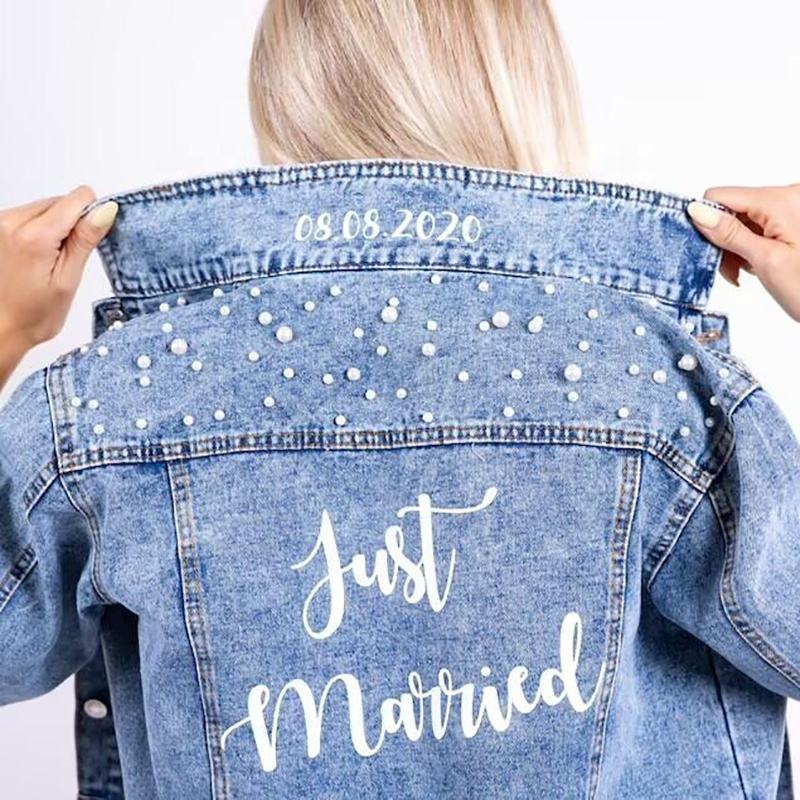
When choosing a bride jacket, prioritize lightweight, breathable fabrics like lace, chiffon, or silk blends that complement your wedding gown while offering comfort and elegance—especially if you're searching for a stylish yet functional bridal bolero or cover-up for outdoor ceremonies 1. The best bride jacket should enhance your silhouette without overwhelming it, match the formality of your dress, and suit the climate of your event. For cooler evenings or church weddings requiring shoulder coverage, a tailored lace bolero or long-line duster adds sophistication. If you're considering how to choose bride jacket options that balance warmth and aesthetics, focus on seamless transitions between jacket and gown, minimal bulk, and secure closures like hidden snaps or delicate buttons.
About Bride Jacket
A bride jacket is a specialized outerwear piece designed specifically for brides to wear over their wedding gowns. Unlike standard jackets, these are crafted with bridal aesthetics in mind—featuring soft silhouettes, luxurious fabrics, and subtle embellishments such as embroidery, beading, or lace overlays. They serve both practical and stylistic purposes: providing modesty (e.g., for religious ceremonies), warmth during outdoor weddings, and fashion-forward layering options.
Common styles include short boleros, cropped denim-inspired jackets for bohemian themes, longline capes, and even faux fur shrugs for winter weddings. These pieces are often coordinated with the bridal ensemble through matching fabric textures, color tones (ivory, champagne, or white), and design continuity. While traditionally seen in formal Western weddings, bride jackets have expanded into diverse cultural and destination weddings where climate or tradition demands additional coverage.
Why Bride Jacket Is Gaining Popularity
The growing popularity of the bride jacket stems from shifting wedding trends emphasizing personalization, versatility, and comfort. Modern brides increasingly seek attire that reflects individuality beyond the classic strapless ballgown. As more ceremonies take place outdoors—beaches, mountain lodges, vineyards, or historic churches—practical considerations like temperature and sun protection become critical 2.
Additionally, social media platforms like Pinterest and Instagram have amplified visual inspiration, making unique layering choices highly desirable. Brides now view accessories like jackets not just as necessities but as statement elements. Designers and retailers have responded by expanding offerings across price points and styles—from minimalist linen blazers to ornate embroidered kimonos.
Another driver is inclusivity. Bride jackets offer solutions for body-conscious brides who appreciate added coverage without altering their dream dress. They also support modest fashion needs within certain cultures or faiths, allowing brides to honor traditions while maintaining modern elegance.
Types and Variants
Bride jackets come in various forms, each suited to different wedding themes, seasons, and gown types. Understanding these variants helps narrow down choices based on function and aesthetic harmony.
1. Lace Bolero
A lace bolero is a fitted, short-sleeved or sleeveless jacket typically ending at the waist or hips. It’s ideal for adding delicate texture and coverage without hiding the gown’s details.
- Pros: Elegant, lightweight, pairs well with intricate gowns; excellent for spring and fall weddings.
- Cons: Offers limited warmth; may require lining for opacity.
2. Cropped Denim or Fabric Jacket
Popular in rustic, country, or destination weddings, this casual-chic option features structured cuts in denim, cotton twill, or embroidered canvas.
- Pros: Adds personality and contrast; great for non-traditional brides.
- Cons: May clash with formal gowns; harder to source in bridal-specific materials.
3. Longline Duster or Kimono
Flowing jackets made from sheer or semi-sheer fabrics like chiffon, georgette, or tulle. Often feature wide sleeves and open fronts.
- Pros: Dramatic effect; easy to move in; suitable for beach or boho weddings.
- Cons: Can be difficult to manage in wind; less warmth.
4. Faux Fur or Velvet Coat
Used primarily in winter weddings, these provide insulation and opulence. Available as shawls, wraps, or full coats.
- Pros: Warm, luxurious appearance; photo-friendly texture.
- Cons: Bulky; can overpower lighter dresses; higher cost.
5. Structured Blazer or Tailored Jacket
Modern, gender-neutral option inspired by menswear tailoring. Made from satin, crepe, or wool blends.
- Pros: Bold, contemporary look; ideal for city elopements or courthouse weddings.
- Cons: Less romantic flair; requires precise tailoring to avoid stiffness.
Key Features and Specifications to Evaluate
To make an informed decision when selecting a bride jacket, assess the following criteria:
- Fabric Quality: Opt for breathable, durable materials that drape well. Silk blends, high-thread-count cotton, and quality synthetics (like polyester-rayon mixes) resist wrinkling and maintain shape.
- Color Match: Ensure the jacket matches your gown’s undertone—pure white vs. ivory vs. champagne. Even slight mismatches can show in photos.
- Fit and Silhouette: Try the jacket on with your actual dress. Look for clean lines, no pulling at seams, and ease of movement. Consider whether it’s off-the-rack, semi-custom, or fully custom.
- Closure Type: Hidden zippers, hook-and-eye fasteners, or decorative buttons affect both security and appearance. Avoid bulky closures that distort the neckline.
- Length and Proportion: Short jackets highlight the waist; longer ones elongate the torso. Match length to your gown’s cut (e.g., avoid truncating a mermaid train).
- Embellishments: Beading, lace appliqués, or embroidery should align with your gown’s level of detail. Over-accessorizing can appear cluttered.
- Seasonal Suitability: Lightweight fabrics for summer; insulated or layered designs for colder months.
Pros and Cons
Like any accessory, bride jackets present trade-offs depending on context.
When a bride jacket is ideal:
- You’re having an outdoor ceremony in cool weather.
- Your venue requires covered shoulders (e.g., Catholic churches).
- You want to extend the usability of your gown across multiple events.
- You desire a fashion-forward twist on traditional bridal wear.
When to reconsider:
- The jacket competes visually with your gown’s design.
- It restricts arm movement or makes sitting uncomfortable.
- You’re in a hot climate where added layers cause overheating.
- Budget constraints make it hard to justify a one-time-use item.
How to Choose Bride Jacket: Step-by-Step Guide
Follow this actionable checklist to select the right bride jacket:
- Determine Your Need: Ask: Is it for warmth, modesty, style, or all three? This shapes your type selection.
- Assess Your Gown: Note its neckline, sleeve style, fabric, and overall volume. A strapless dress benefits from a bolero; a sheath may pair better with a duster.
- Consider the Venue and Season: Beach weddings call for airy fabrics; snowy venues need insulation.
- Set a Realistic Budget: Prices range from $50 (basic online boleros) to $800+ (designer custom pieces). Allocate funds accordingly.
- Try Before You Buy: Schedule fittings with your dress. Bring photos of your venue and shoes to evaluate proportions.
- Check Return Policies: Especially important when buying online. Verify if exchanges are allowed if the color or fit isn’t perfect.
- Evaluate Versatility: Could you wear it post-wedding? Some jackets double as honeymoon cover-ups or evening wear.
- Avoid Red Flags: Poor stitching, inconsistent coloring, stiff linings, or unclear sizing charts suggest low quality.
Price & Market Insights
Bride jackets vary widely in price based on material, craftsmanship, brand, and customization level.
- Budget Tier ($30–$100): Typically mass-produced boleros or kimonos from online retailers. Often made from synthetic blends. Good for temporary use but may lack durability.
- Mid-Range ($100–$300): Includes hand-finished lace pieces, designer collaborations, or semi-custom options. Found on sites like Etsy or bridal boutiques.
- Premium ($300–$800+): Custom-made, couture-level jackets using real lace, silk, or imported fabrics. Offered by high-end bridal designers or tailors.
For best value, consider renting instead of buying—some bridal shops offer jacket rentals alongside dresses. Alternatively, invest in a versatile piece you can repurpose for anniversaries or vow renewals.
| Style | Avg. Price | Best For | Versatility Score |
|---|---|---|---|
| Lace Bolero | $80–$250 | Church weddings, spring events | High |
| Faux Fur Wrap | $120–$400 | Winter weddings | Medium |
| Chiffon Kimono | $60–$180 | Beach or boho weddings | High |
| Tailored Blazer | $150–$600 | Courthouse or modern elopements | Very High |
Top-Seller & Competitive Analysis
Leading brands and sellers in the bride jacket market include BHLDN, David's Bridal, Jenny Yoo, and independent Etsy artisans. Top-selling models tend to emphasize adaptability and timeless design.
For example, BHLDN’s Luna Lace Bolero remains popular due to its scalloped edges and seamless integration with illusion necklines. On Etsy, customizable lace kimonos with detachable sleeves offer flexibility for multi-day celebrations. Meanwhile, David's Bridal provides affordable denim-style options aimed at casual wedding themes.
When comparing top sellers, examine customer reviews for recurring feedback on sizing accuracy, fabric thickness, and photo-realism. Also, compare shipping times—many brides order late, so expedited production matters.
Customer Feedback Synthesis
Analyzing hundreds of verified buyer reviews reveals consistent patterns in satisfaction and dissatisfaction.
Common Praises:
- "Perfect match to my ivory gown—no visible color difference."
- "Lightweight and stayed on all night without slipping."
- "Got so many compliments! Added elegance without hiding my dress."
Frequent Complaints:
- "Too sheer—I had to wear a camisole underneath, which wasn’t expected."
- "Sleeves were tight and restricted movement during vows."
- "Fell apart after one wear—threads came loose at the shoulders."
These insights underscore the importance of reading detailed product descriptions, checking fabric composition, and reviewing return policies before purchase.
Sourcing & Supplier Tips
Where you buy your bride jacket impacts quality, timing, and cost.
- Bridal Specialty Stores: Offer expert fitting help and coordination with dress stylists. Ideal for high-touch service.
- Online Retailers (e.g., Amazon, ASOS, Nordstrom): Provide broad selection and fast shipping. Use size guides carefully and check return windows.
- Custom Makers (Etsy, local seamstresses): Best for personalized fits and unique designs. Allow 6–8 weeks for production.
- Rental Services: Emerging option through companies like Rent the Runway or boutique partnerships. Saves money and reduces waste.
If sourcing in bulk—for bridal parties or resale—request fabric swatches and negotiate MOQs (minimum order quantities). Always verify business legitimacy via reviews or BBB ratings.
Maintenance, Safety & Legal Considerations
Proper care extends the life of your bride jacket, especially if preserving it for future use.
- Cleaning: Most bridal jackets require dry cleaning only. Check labels before washing. Store in acid-free tissue paper inside a breathable garment bag.
- Safety: Avoid flammable materials near candles or fire pits. Faux fur and synthetics can melt under extreme heat.
- Allergies: Some lace or dyes may irritate sensitive skin. Request hypoallergenic certifications if needed.
- Import Regulations: If ordering internationally, confirm customs duties and fabric restrictions (e.g., real fur bans in some countries).
Conclusion
Choosing the right bride jacket involves balancing aesthetics, functionality, and personal values. Whether you need a simple lace bolero for church modesty or a bold tailored blazer for a downtown elopement, focus on fit, fabric, and compatibility with your gown. Prioritize comfort and confidence, and don’t overlook practical factors like weather, venue rules, and post-wedding usability. By evaluating options through a structured lens—considering type, price, quality, and vendor reliability—you’ll find a piece that enhances your bridal look without compromising your vision.
FAQs
What should I look for when trying on a bride jacket?
Ensure it complements your gown’s neckline, doesn’t restrict movement, and lies smoothly without bunching.
Can I wear a bride jacket with a backless dress?
Yes—opt for open-back styles like kimonos or dusters that preserve visibility of the gown’s detail.
How far in advance should I buy my bride jacket?
Order at least 2–3 months ahead if custom-made; 4–6 weeks for ready-to-ship items to allow time for alterations or returns.
Are there eco-friendly bride jacket options?
Yes—look for brands using organic cotton, recycled polyester, or rental services to reduce environmental impact.
Do bride jackets come in plus sizes?
Most major retailers and Etsy sellers offer extended sizing. Always check size charts and ask for measurements if unsure.





 浙公网安备
33010002000092号
浙公网安备
33010002000092号 浙B2-20120091-4